
Licuala acutifida
Licuala acutifida
Description
Growing requirements
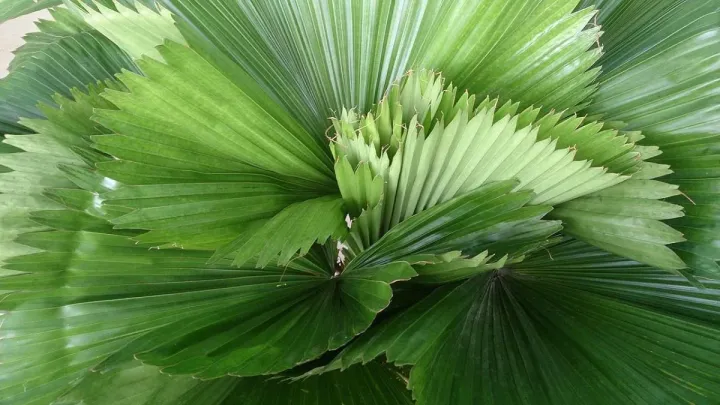
Licuala acutifida is a rare and highly decorative member of the Arecaceae family, originating from the tropical rainforests of Southeast Asia. Known for its distinctively pleated, fan-shaped leaves, this palm species is prized in horticulture for its architectural form.
The plant thrives in warm, humid conditions with temperatures ideally between 22°C and 28°C. Cold drafts and temperature fluctuations are detrimental to its growth, often causing the foliage to turn brown and dry out rapidly.
Cultivation requires a well-draining, nutrient-rich potting mix that retains moisture while preventing waterlogging. A mixture of peat moss, perlite, and organic garden loam is generally recommended to provide the necessary structure for root development.
Bright, indirect light is essential for the healthy growth of Licuala acutifida. While it can survive in lower light levels, it grows significantly slower, and direct sunlight exposure is likely to scorch the delicate leaf surfaces.
Watering should be consistent; the soil surface should be allowed to dry slightly between waterings, but never completely. High relative humidity is paramount, and regular misting or the use of humidifiers is necessary to keep the foliage looking its best.
Main diseases and pests
Spider mites are the most common pests affecting this palm, especially in environments with low humidity. They thrive on the underside of leaves, causing yellowing and webbing that can severely damage the plant's aesthetic quality.
Scale insects are another potential threat, often found along the leaf veins and stems. These pests suck the sap of the plant, weakening it over time and making it more susceptible to opportunistic secondary infections.
Root rot, caused by various fungal pathogens, is the most common disease associated with poor drainage and overwatering. Maintaining a well-draining soil medium and ensuring proper pot aeration are crucial preventative measures.
Foliar fungal spots can appear if the plant remains wet for too long without adequate airflow. Improving ventilation in the greenhouse or living space is an effective way to prevent the spread of fungal spores.
Regular inspection and the application of mild horticultural oils or systemic insecticides help manage pest populations. Maintaining optimal environmental conditions remains the most effective defense against both diseases and infestations.