
Licuala peltata
Licuala peltata
Description
Growing requirements
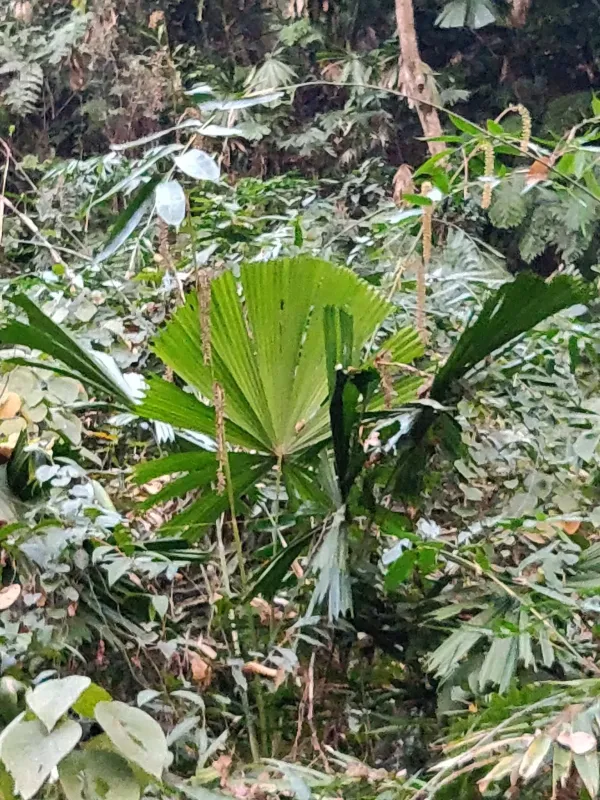
Licuala peltata is an elegant species of fan palm belonging to the Arecaceae family. Originating from the tropical rainforests of South and Southeast Asia, this palm is prized for its large, circular, fan-shaped leaves that can reach impressive sizes in their natural habitat.
Botanically, the species is characterized by its relatively short, slow-growing trunk and deep green, segmented foliage. It thrives in humid, shaded environments, often found growing in the understory of dense tropical forests where light is filtered through the canopy.
Successful cultivation requires strict adherence to tropical conditions. The plant demands high ambient humidity and consistent temperatures between 22 and 28 degrees Celsius. Exposure to cold drafts or temperatures dropping below 15 degrees Celsius can cause significant stress to the plant.
Soil requirements involve a well-draining, humus-rich medium that retains moisture without becoming waterlogged. A mix of peat, bark, and perlite is often recommended to ensure optimal root aeration and development, preventing the suffocating conditions that lead to root decline.
In terms of usage, Licuala peltata serves as a high-end ornamental plant. It is widely utilized in tropical landscaping as a feature specimen or kept as an indoor container plant in temperate regions, appreciated for its architectural foliage and exotic aesthetic.
Main diseases and pests
Low atmospheric humidity is the primary cause of leaf tip necrosis, where the edges of the fronds turn brown and brittle. Consistent misting or the use of ultrasonic humidifiers is essential for maintaining the health of the leaf tissue.
Spider mites are the most common pests, particularly in indoor environments. These insects thrive in dry conditions and can cause severe damage by draining sap from the leaves, eventually leading to chlorosis and stunted growth.
Fungal diseases, specifically root rot, occur when the soil remains constantly soggy due to poor drainage or overwatering. Once established, root rot is difficult to treat, making preventative care through proper irrigation management the best strategy.
Scale insects can also infest the stems and undersides of the leaves. Manual removal combined with systemic horticultural oil treatments is usually sufficient to manage these infestations without damaging the delicate palm foliage.
Nutrient deficiency, particularly iron or magnesium, can cause yellowing between the leaf veins. Implementing a balanced, palm-specific fertilizer program during the growing season will help maintain plant vigor and prevent common physiological disorders.