
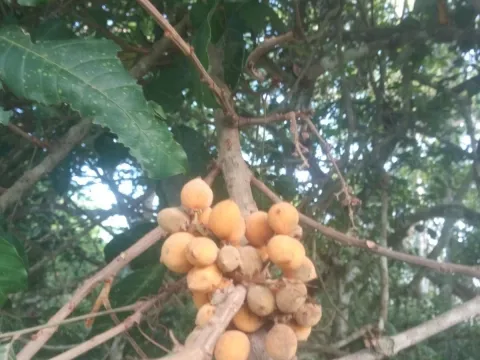
Lecaniodiscus
Lecaniodiscus
Lecaniodiscus is a genus of evergreen trees and shrubs belonging to the Sapindaceae family. The most prominent species, Lecaniodiscus cupanioides, is widely recognized in tropical Africa for its diverse ecological and socio-economic roles.
What the section contains

Lecaniodiscus
The plant originates from tropical regions, typically found in forest galleries, savannas, and lowland rainforests. It thrives in hot, humid climates and is well-adapted to high precipitation areas where it serves as a staple of local forest vegetation.
For successful cultivation, the plant requires fertile, well-draining soils with high organic matter content. It displays a significant degree of shade tolerance, which allows it to grow effectively under the canopy of larger trees in agroforestry systems.
Botanically, it features pinnate leaves and a robust, woody structure that can reach heights of up to 15 meters. The root system is deep and stable, providing excellent support even in varied soil profiles typical of tropical zones.
Agronomic management involves selecting appropriate sites that mimic its natural habitat. While it is relatively low-maintenance, irrigation is essential during the initial planting phase until the root system is firmly established in the ground.
The primary economic use of Lecaniodiscus lies in its edible fruits, which are consumed by local communities. These fruits provide essential nutrients and energy, making the tree a valuable resource for local food security.
The timber of Lecaniodiscus is known for its durability and resistance. It is frequently utilized in crafting agricultural tools, handles, and small domestic furniture, serving as a reliable material for rural livelihoods.
Ethnomedicinal applications are common, as different parts of the plant—including bark, roots, and leaves—are used in traditional medicine to address various health concerns, including inflammation and dermatological issues.
Fruit yield is highly dependent on the tree's age and environmental consistency. Harvesting is typically conducted manually as the fruits reach maturity, often involving multiple pickings over the duration of the fruiting season.
In agroforestry, this tree is highly valued for its ability to improve soil structure and prevent erosion. By integrating it into managed farms, growers can promote sustainable land use while diversifying their output of natural products.
The main threats to the health of Lecaniodiscus are fungal infections, which thrive in high-humidity tropical environments. These pathogens can affect foliage and weaken the overall vitality of the tree if not managed correctly.
Pests such as scale insects and aphids often target young growth, potentially hindering plant development. Regular inspections are necessary to identify and treat infestations before they spread across the entire canopy.
Climate instability, particularly severe drought, poses a risk to both growth and fruit yield. While mature trees are robust, extreme water deficit during the flowering stage can significantly reduce the amount of fruit produced.
Deforestation and habitat loss are critical threats to wild populations of Lecaniodiscus. Promoting the cultivation of this species within agricultural settings is essential for ensuring its long-term survival and continued availability.
Disease control measures focus on maintaining proper tree spacing to ensure airflow, along with the targeted use of organic pesticides. A healthy, nutrient-rich soil environment remains the best defense against systemic plant diseases.