
Lasiosiphon polycephalus
Lasiosiphon polycephalus
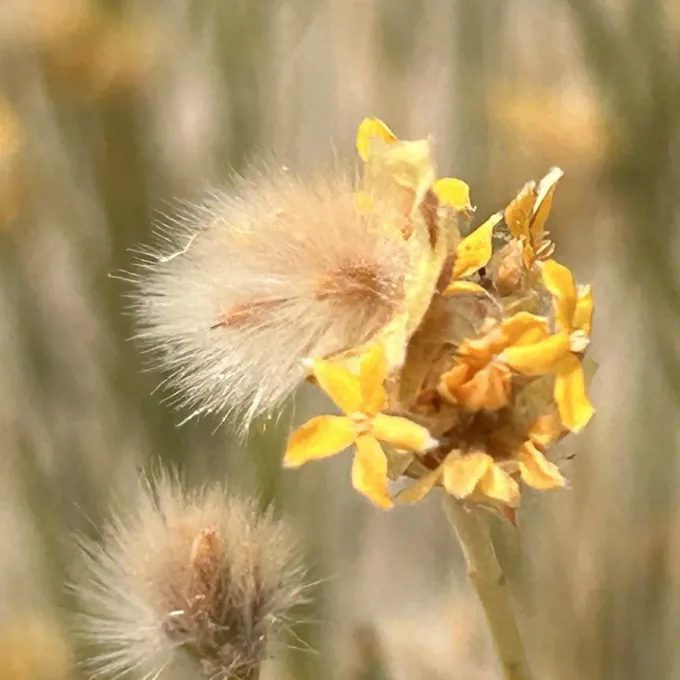
Description
Growing requirements
Lasiosiphon polycephalus is a perennial subshrub belonging to the Thymelaeaceae family. It is native to the arid and semi-arid regions of Southern Africa, where it thrives in challenging conditions.
The plant is characterized by its unique architecture, featuring numerous stems emerging from a thick woody rootstock, allowing it to regenerate effectively after drought or fire.
Agricultural success with this species requires well-drained, sandy, or rocky soil. It is highly intolerant of waterlogged conditions, which often prove fatal to the root structure.
The crop requires full sun exposure and is adapted to high light intensity. It performs best in nutrient-poor soils that mimic its natural habitat, avoiding excessive fertilization.
Cultivation techniques focus on mimicking arid environment conditions, ensuring that irrigation is strictly controlled to prevent soil compaction and root suffocation.
Main diseases and pests
The primary agricultural threat to Lasiosiphon polycephalus is root rot, typically caused by soil-borne fungi when drainage systems are inadequate or rainfall is excessive.
Pests such as spider mites and various sucking insects can colonize the foliage during the peak growing season, potentially stunting the development of the plant.
Integrated pest management strategies are recommended, focusing on maintaining plant vigor through proper spacing and moisture management rather than heavy chemical usage.
Environmental stress, such as unseasonal frost or prolonged humidity, can weaken the plant's natural defenses, making it more susceptible to opportunistic pathogens.
Producers are advised to maintain a strict hygiene protocol in nurseries to prevent the introduction of soil pathogens during the propagation phase of the crop.