
Lasiosiphon lampranthus
Lasiosiphon lampranthus
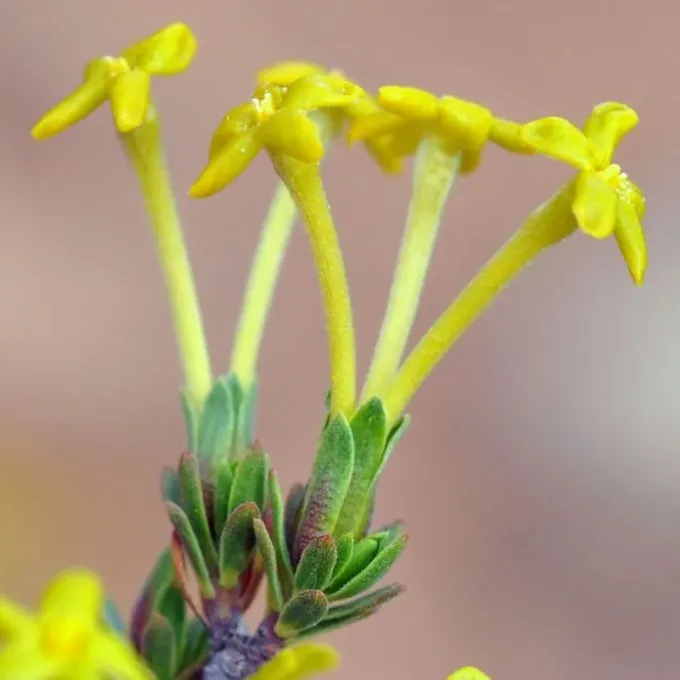
Description
Growing requirements
Lasiosiphon lampranthus is a perennial shrub species belonging to the Thymelaeaceae family. It is native to the diverse landscapes of Southern Africa, where it has evolved to thrive in rocky environments and well-drained slopes, demonstrating significant resilience to local climatic extremes.
As a light-loving plant, it requires full sun exposure to maintain its structural integrity and encourage regular blooming cycles. The species is highly adapted to arid conditions, making it an excellent candidate for xeriscaping in regions with Mediterranean-type climates.
The ideal soil profile for this culture consists of sandy or rocky substrates with excellent hydraulic conductivity. It performs best in neutral to slightly acidic soils, as high alkalinity can negatively interfere with nutrient uptake, particularly phosphorus assimilation.
Regarding climate, the plant is not frost-tolerant and requires protection during colder months. In areas where temperatures drop consistently, cultivation should be restricted to greenhouses or protected containers to prevent root freezing and tissue damage.
The horticultural utility of Lasiosiphon lampranthus is centered on its aesthetic value in landscape architecture. Its unique morphology and cluster-forming flowers make it a desirable addition to dry gardens, xeriscaped borders, and sustainable outdoor designs.
Main diseases and pests
The primary agricultural threat to Lasiosiphon lampranthus is root rot, typically induced by waterlogged conditions. Poor drainage inhibits oxygen access to the roots, leading to rapid decay of the vascular system and total plant loss.
Common pests include spider mites and mealybugs, which are particularly problematic in low-humidity environments. These insects compromise the plant's vigor by feeding on sap, often leading to secondary infections or severe growth retardation.
Effective management strategy involves strict irrigation control and ensuring sufficient space between individual plants to facilitate air circulation. Avoiding excessive moisture in the canopy is crucial for preventing fungal foliage spots.
In case of pest infestation, the use of contact and systemic insecticides is recommended to manage populations before they cause significant damage. Early detection remains the most effective tool in maintaining plant health.
Sanitation practices are essential, including the removal of dead or decaying biomass from around the plant base. This reduces the harborages for potential pathogens and ensures that the plant remains healthy throughout its active growth season.