
Lasiosiphon daphnifolius
Lasiosiphon daphnifolius
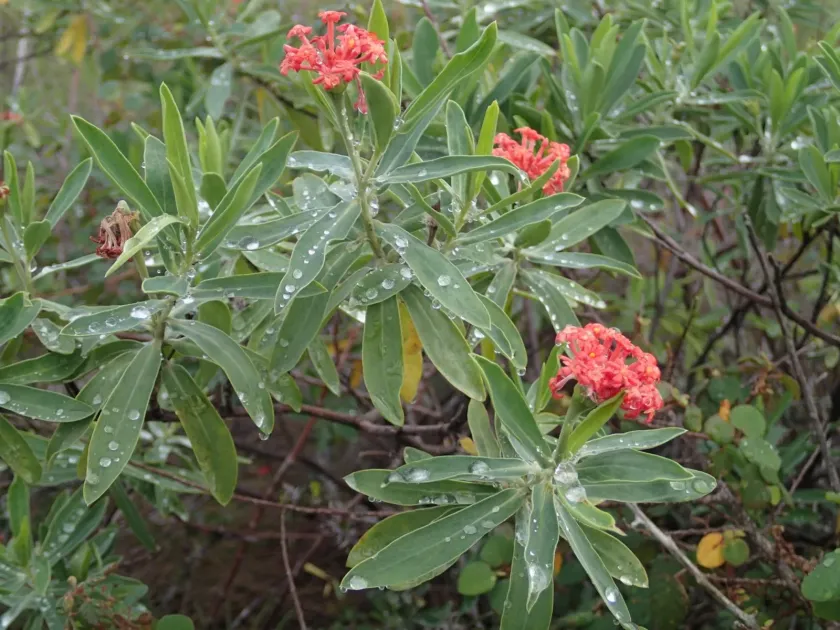
Description
Growing requirements
Lasiosiphon daphnifolius is a perennial shrub belonging to the Thymelaeaceae family. It is native to the diverse and high-altitude regions of East Africa, where it has evolved to thrive in environments characterized by exposure to intense sunlight and rocky, well-drained slopes.
For successful cultivation, the plant demands soil with excellent drainage properties. It is highly intolerant of waterlogged conditions, which can lead to rapid root degradation. Therefore, incorporating sand or fine gravel into the planting substrate is essential for maintaining proper aeration around the root zone.
Climatically, this species prefers moderate temperatures without extreme heat or frost. It is best suited for regions with stable weather patterns. When grown in containers or greenhouses, maintaining constant airflow is crucial to simulate its natural habitat and prevent the accumulation of stagnant humidity.
Botanically, the plant is characterized by its daphne-like, leathery foliage and clusters of tubular flowers. Its growth habit is relatively compact, making it an excellent candidate for decorative landscaping in regions where climatic conditions can be controlled to match its ecological niche.
Agrotechnical management includes periodic soil testing to ensure a slightly acidic to neutral pH level. Regular but controlled irrigation practices, combined with moderate fertilization during the active growing season, are key to maintaining the plant's structural integrity and aesthetic value.
Main diseases and pests
Root rot is the most significant threat to Lasiosiphon daphnifolius, often triggered by improper irrigation management. Implementing a precise watering schedule and ensuring that the top layer of soil dries out between watering sessions is fundamental for disease prevention.
Spider mites represent a frequent pest challenge, particularly when the ambient humidity is insufficient. These pests can rapidly affect foliage health, leading to discoloration and eventual leaf drop. Maintaining a healthy humidity level or using targeted miticides is recommended for control.
Powdery mildew may manifest as a white coating on the leaves if the plant is grown in dense, poorly ventilated areas. Preventive measures involve proper spacing between plants and routine pruning to allow light and air to penetrate the entire shrub canopy.
Aphids can occasionally colonize the tender tips of new shoots, especially during the spring growth flush. Integrated pest management, including the introduction of natural predators or the application of organic soap-based sprays, is often sufficient for minor infestations.
Monitoring the plant for signs of stress is vital, as weak plants are more susceptible to secondary infections. If signs of disease are detected, immediate isolation and treatment are required to ensure the survival of the specimen and prevent potential spread to other vegetation.