
Lasiosiphon glaucus
Lasiosiphon glaucus
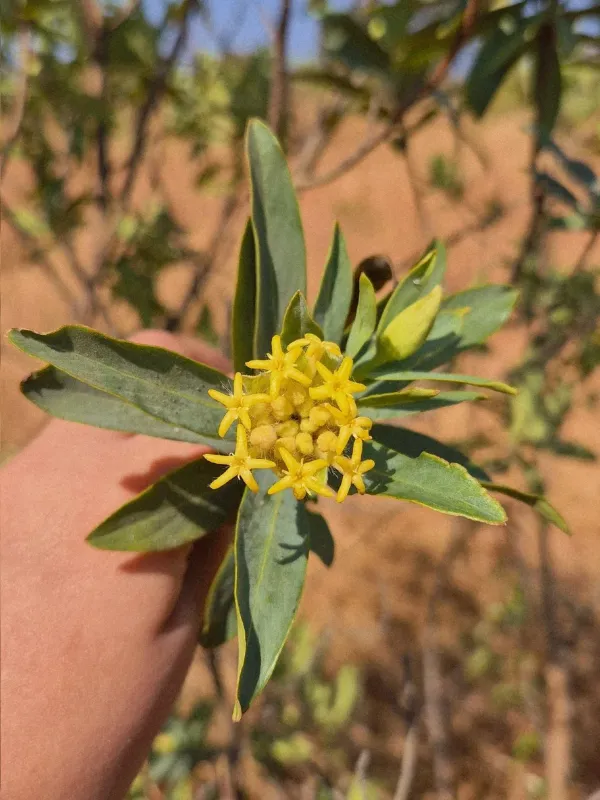
Description
Growing requirements
Lasiosiphon glaucus is an evergreen shrub or small tree belonging to the Thymelaeaceae family. It is recognized for its unique glaucous leaves and its importance in traditional ecosystems within the African tropical landscape.
The native distribution covers mountainous areas in East and Central Africa, where the plant thrives in altitudes that provide temperate conditions. It is typically found in forest margins and rocky outcrops where the soil is rich in organic matter.
For cultivation, Lasiosiphon glaucus requires well-drained, fertile soil with a slightly acidic to neutral pH level. Proper aeration is crucial, as the root system is sensitive to waterlogging and poor soil structure.
In terms of climate, the plant performs best in shaded or semi-shaded environments with consistent ambient moisture. It is not cold-hardy and should be protected from frost and extreme heat waves to maintain its vitality.
The economic and practical use of the plant includes traditional medicinal applications, where extracts from the leaves and bark are used in local herbal practices, and the extraction of fiber from the inner bark for crafting durable cordage.
Main diseases and pests
The main threats to the plant include root rot pathogens, which are favored by high soil moisture levels and stagnant water conditions, often leading to rapid decline in the plant's health.
Pests such as mites and aphids may infest the foliage during periods of low humidity or environmental stress, necessitating targeted biological or chemical control measures.
Leaf spot diseases, often caused by fungal infections in humid conditions, can cause foliage discoloration and loss if not managed with proper spacing and ventilation.
Environmental stress from nutrient deficiency in poor soils can make the plants more susceptible to opportunistic diseases, requiring a balanced fertilization program.
Effective management includes regular sanitation practices, such as removing debris around the base of the plant, to prevent the buildup of pathogens and pests.