
Lasiosiphon kraussianus
Lasiosiphon kraussianus
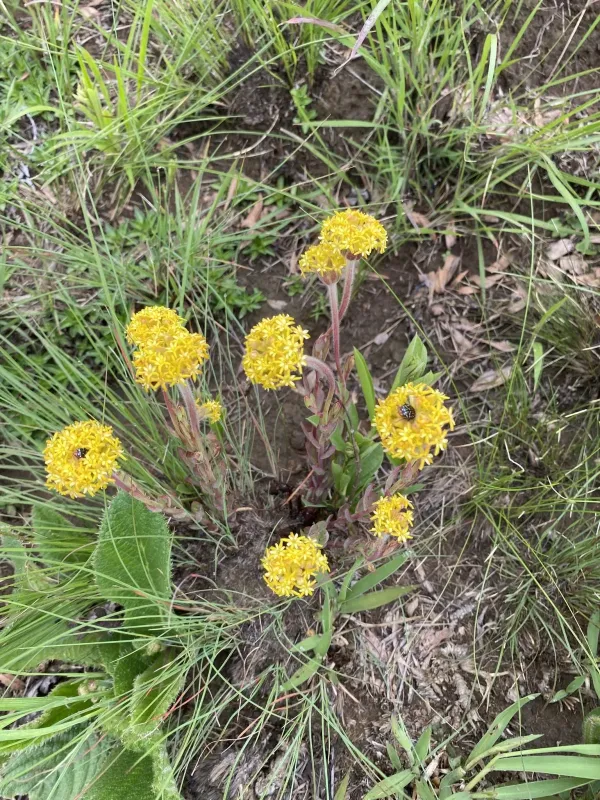
Description
Growing requirements
Lasiosiphon kraussianus is a notable perennial herb belonging to the Thymelaeaceae family. It is native to the diverse landscapes of Southern and Eastern Africa, where it thrives in open grassland habitats.
Botanically, the plant is recognized for its herbaceous habit and its resilient root system, which is adapted to survive the environmental stresses of a semi-arid climate.
Regarding soil requirements, the plant prefers sandy or loamy, well-drained soils. Waterlogging should be strictly avoided as it can cause significant stress to the root zone and inhibit healthy growth.
Climatic requirements involve plenty of direct sunlight, which is essential for the plant to achieve its optimal vegetative development and bloom cycle.
In terms of agricultural practice, cultivators focus on maintaining soil structure and ensuring consistent moisture without saturation during the active growing season.
Main diseases and pests
The primary threat to the health of Lasiosiphon kraussianus is the proliferation of soil-borne fungi, which often manifest as root decay under suboptimal drainage conditions.
Pests, particularly aphids and spider mites, may colonize the foliage during prolonged dry spells, leading to stunted growth and yellowing of the leaves.
Integrated pest management strategies should focus on maintaining adequate spacing between plants to ensure good airflow and reduce the humidity around the canopy.
Routine inspections are essential to detect early infestations. Mechanical removal of affected leaves is often sufficient in small-scale cultivation before chemical intervention is required.
Ensuring the plant has enough micronutrients through balanced fertilization can help strengthen its natural defenses against typical environmental pathogens and insect attacks.