
Lasiosiphon capitatus
Lasiosiphon capitatus
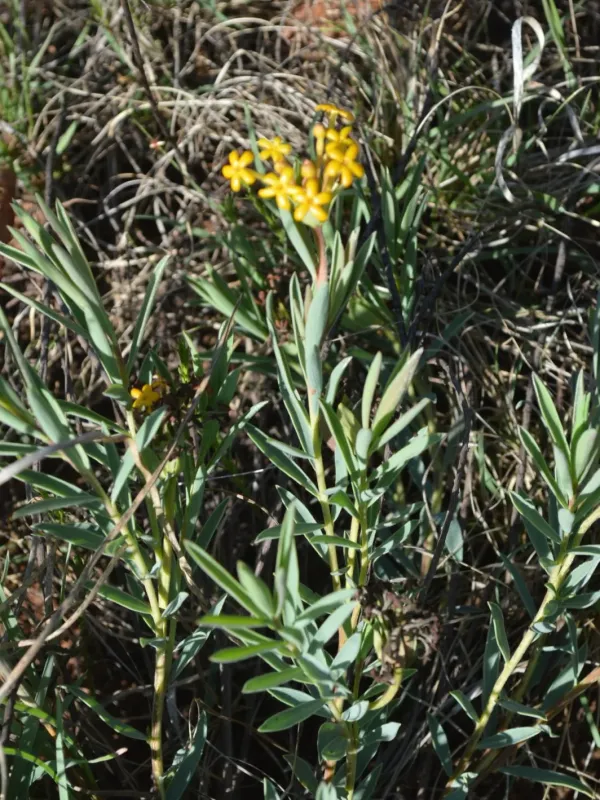
Description
Growing requirements
Lasiosiphon capitatus is a perennial herbaceous plant belonging to the Thymelaeaceae family. Originating from the diverse landscapes of Southern and Tropical Africa, this species is well-adapted to the specific environmental pressures of its native savannah habitats.
The plant thrives in well-drained, sandy, or gravelly soil profiles. Its physiology is characterized by remarkable drought tolerance, allowing it to survive prolonged periods without water, which is a common occurrence in its indigenous geographical range.
Agricultural cultivation requires a location with full sun exposure to maintain the plant's vigor and promote healthy development of its characteristic floral heads. Poor drainage must be avoided to prevent root diseases that are often fatal in non-native environments.
Botanically, Lasiosiphon capitatus is distinguished by its dense capitate inflorescences comprised of tubular flowers. The foliage often features a fine pubescence that helps reduce water loss through transpiration, functioning as a defense mechanism against heat.
Economic and research interests focus on the plant's secondary metabolites, which possess potential properties for pharmaceutical applications. It is frequently studied for its role in local ethnobotanical practices throughout the African continent.
Main diseases and pests
The primary threat to the health of Lasiosiphon capitatus is the development of root rot, which is almost exclusively associated with improper irrigation practices or poor soil drainage systems.
Insect pests, including spider mites and various aphid species, frequently attack the tender parts of the plant, causing foliage distortion and a general decline in the plant's vigor if left untreated.
Weed competition during the seedling stage is a significant challenge. Ensuring a weed-free environment is critical for the initial establishment and survival of the young plant.
High humidity combined with low temperatures can predispose the plant to various fungal infections, impacting the leaves and stems. Maintaining optimal airflow is a crucial preventive measure.
Integrated pest management strategies, including the use of systemic insecticides and proper cultural practices, are recommended to maintain high crop health standards.