
Lagerstroemia amabilis
Lagerstroemia x amabilis
Description
Growing requirements
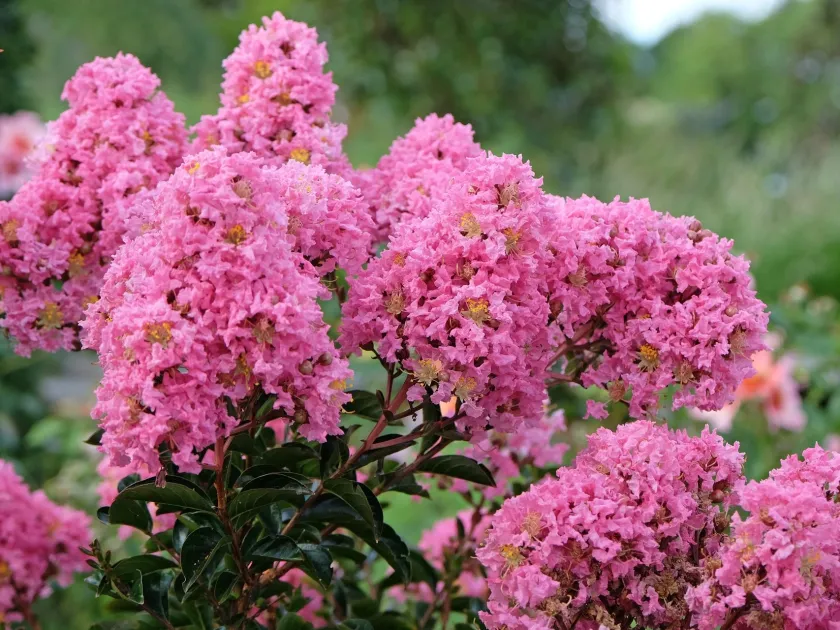
Lagerstroemia amabilis belongs to the Lythraceae family and is known as a hybrid cultivar appreciated for its spectacular inflorescences and unique peeling bark appearance.
The plant thrives in warm climates and requires full sun exposure to maintain its vigorous growth and abundant flowering. It is not frost-tolerant and requires protection in cooler zones.
Soil quality is paramount for this species. It prefers well-drained, slightly acidic to neutral soils enriched with organic matter to support its rapid development during the summer.
Water management is critical during the active growing season. While the plant requires regular irrigation to bloom effectively, it is highly sensitive to waterlogging, which causes root decay.
This crop is primarily utilized in ornamental horticulture and landscape design, acting as a focal point in gardens and public parks due to its long-lasting colorful blooms.
Main diseases and pests
Powdery mildew is the most common pathological issue, typically appearing during humid weather conditions. It creates a white coating on leaves and impairs photosynthesis.
Insects like aphids and scale insects are the primary pests that affect the vigor of the plant by draining sap from young, tender tissue and attracting sooty mold.
Effective management strategies include the regular application of fungicides and monitoring programs that help detect infestations before they spread to the whole population.
Integrated pest management, including pruning affected branches and encouraging beneficial predatory insects, helps in maintaining the health of the Lagerstroemia stand.
Proper sanitation, including the removal of fallen leaves and debris, prevents the overwintering of pathogens and contributes to a healthier growing environment for the plants.