
Lagerstroemia limii
Lagerstroemia limii Merr.
Description
Growing requirements
Lagerstroemia limii Merr. is a deciduous tree belonging to the Lythraceae family. It is a distinctive botanical species known for its aesthetic value and specific growth patterns in various environmental conditions.
The species originates from the mountainous regions of East Asia, primarily China. In horticultural practice, it thrives in well-drained, fertile soil types and requires an environment that mimics its natural sub-tropical habitat.
The cultivation of this plant requires full sun exposure to ensure robust development and prolific blooming. It is highly sensitive to extreme frost, making it suitable primarily for climates with mild winters or protected garden microclimates.
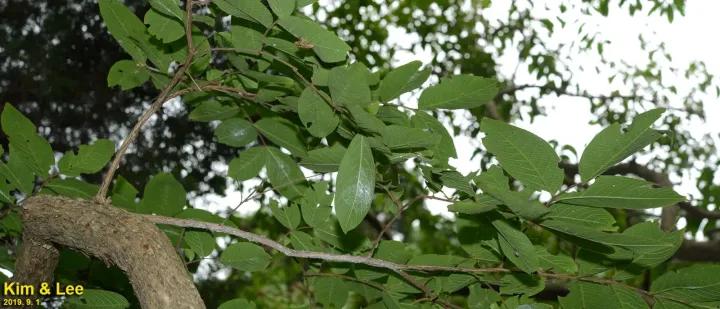
Botanically, the tree is recognized by its smooth, peeling bark and attractive foliage structure. The leaves are typically opposite or alternate, featuring a leathery texture that helps the plant manage moisture effectively.
The primary horticultural application of Lagerstroemia limii is in ornamental landscaping. It is highly valued for specimen planting, avenues, and urban greening, providing structural beauty throughout the growing season.
Main diseases and pests
The most common disease affecting this species is powdery mildew, particularly when plants are grown in areas with high humidity and insufficient air circulation.
Insect pests such as aphids and scale insects are known to attack the succulent parts of the plant, potentially causing stunted growth and leaf chlorosis.
Integrated pest management, including regular inspection and the use of targeted insecticides, is recommended for maintaining tree health during the peak growing season.
Cultural control methods, such as pruning to improve canopy airflow, are essential to reduce the likelihood of fungal colonization on the branches and leaves.
Maintaining optimal soil moisture and nutrient levels significantly reduces plant stress, making the tree more resilient to secondary infections and pest pressures.