
Faurie's crape myrtle
Lagerstroemia subcostata Koehne var. fauriei (Koehne) Hatus. ex Yahara
Description
Growing requirements
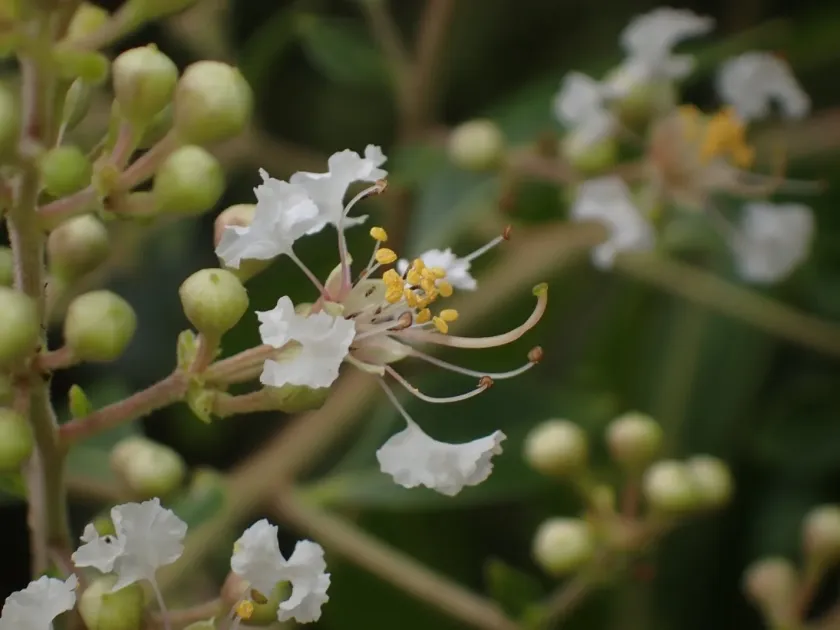
Faurie's crape myrtle (Lagerstroemia subcostata var. fauriei) is a deciduous tree belonging to the Lythraceae family. Native to Yakushima Island in Japan, it is widely appreciated in landscaping for its smooth, exfoliating bark and vibrant, paniculate inflorescences.
The culture thrives in warm, sunny climates and requires a position with full sun exposure to maintain its structural integrity and encourage prolific blooming. It is notably more resistant to certain fungal issues compared to other species in the genus.
Ideal soil conditions involve well-drained, nutrient-rich loamy substrates. While the plant can tolerate a variety of soil types, it performs best in slightly acidic soils. Proper drainage is essential to prevent waterlogging, which the plant does not tolerate well.
Watering requirements are moderate; however, regular irrigation is necessary during the establishment phase and prolonged summer droughts. Maintaining consistent soil moisture promotes rapid development of the root system and succulent growth of annual shoots.
Maintenance involves seasonal pruning, typically performed in late winter or early spring before the start of the growing season. This practice helps shape the crown and removes damaged wood, ensuring the long-term health and aesthetic appeal of the tree.
Main diseases and pests
Powdery mildew is the most significant pathological threat to this species. It manifests as a white, powdery fungus on the leaf surface, which can hinder the plant's photosynthetic capacity if left untreated, especially in environments with poor air circulation.
Pest pressures primarily include aphids and scale insects. These organisms cluster on tender new shoots and buds. Monitoring for such infestations early in the season is critical to prevent significant damage and the spread of sooty mold.
Cultural control measures, such as proper spacing between trees and timely crown thinning, are highly effective in reducing the prevalence of fungal diseases. Ensuring sufficient sunlight penetration into the center of the canopy is a key preventive strategy.
In cases of severe infestation, targeted applications of horticultural oils or systemic insecticides may be necessary. It is important to apply these treatments during periods of low pollinator activity to ensure environmental safety.
Monitoring the tree for signs of root rot, often caused by overwatering or soil compaction, is also essential. Ensuring the soil has adequate oxygen levels and avoiding mulching directly against the trunk will help prevent these complications.