
Crape myrtle
Lagerstroemia indica x L. speciosa
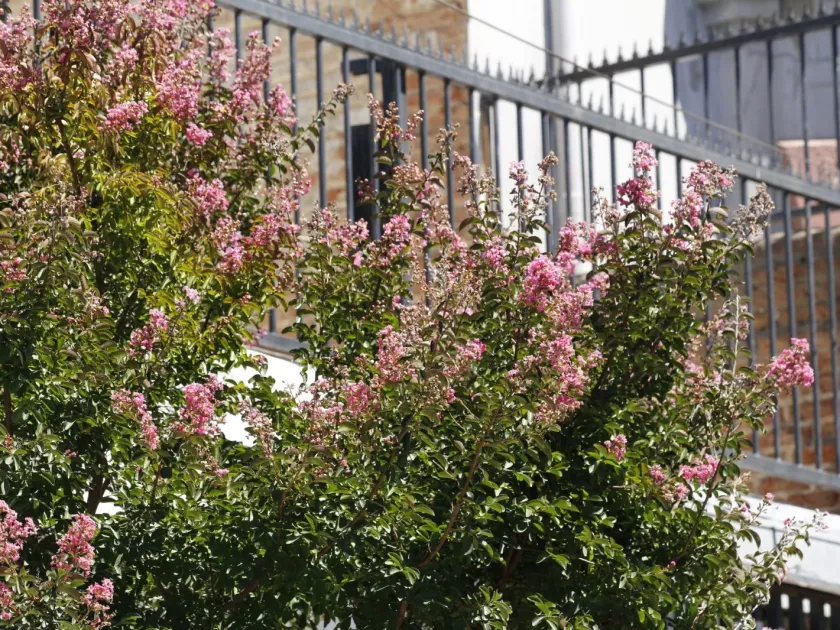
Description
Growing requirements
Crape myrtle (Lagerstroemia indica x L. speciosa) is a sophisticated hybrid belonging to the Lythraceae family, highly prized for its long-lasting flowering period. Its biological origins in tropical and subtropical regions necessitate a growing environment characterized by high heat and ample sunlight exposure.
Successful cultivation requires a well-drained soil structure, preferably rich in organic matter with a neutral to slightly acidic pH level. Proper drainage is crucial, as the plant is susceptible to root rot when exposed to consistently waterlogged soil conditions, which severely limits its potential development.
In terms of climate, the hybrid requires protection from harsh, drying winds and extreme frost during the dormant season. While established specimens exhibit remarkable drought tolerance in warmer climates, young plants need consistent moisture management to develop a robust root system capable of sustaining future growth.
Agricultural maintenance centers on pruning, which should be conducted during late winter or early spring. This process is essential for stimulating the development of new flowering branches, as the plant blooms on current-year wood, ensuring a vibrant display of color throughout the summer months.
Its primary use is in ornamental landscaping, valued for its unique peeling bark and dense, showy inflorescences. Whether utilized as a specimen tree or in formal garden borders, it remains a staple for warm-climate urban and private landscaping, provided that site conditions meet its specific needs.
Main diseases and pests
The primary insect threats to this culture include aphids and scale insects, which feed on succulent tissues and promote the growth of sooty mold. Regular scouting is required to detect early infestation levels, allowing for the immediate application of targeted horticultural oils or systemic insecticides.
Powdery mildew represents the most frequent fungal challenge, especially in environments with high humidity and poor air circulation. This disease manifests as a dusty white coating on leaves and buds, significantly reducing the aesthetic quality and physiological vigor of the plant during the growing season.
Managing fungal threats requires a proactive approach, including the selection of resistant cultivars and ensuring sufficient spacing between plants to maximize airflow. Fungicidal sprays, applied at the first sign of symptoms, can effectively mitigate the spread of spores and restore plant health.
Root system issues, often caused by over-irrigation, can compromise the tree's stability and overall nutrition uptake. Agronomists emphasize that preventing water accumulation at the base is essential for longevity, making the incorporation of gravel or sand in heavy soils a standard planting protocol.
Secondary infections can occur through wounds in the bark or branches caused by mechanical damage during maintenance or extreme weather events. Proper tool sanitation and the sealing of large pruning wounds help reduce the risk of pathogen entry, maintaining the plant's health and structural integrity over time.