
Lagerstroemia hybrid
Hybrids between Lagerstroemia indica L. and Lagerstroemia fauriei Koehne
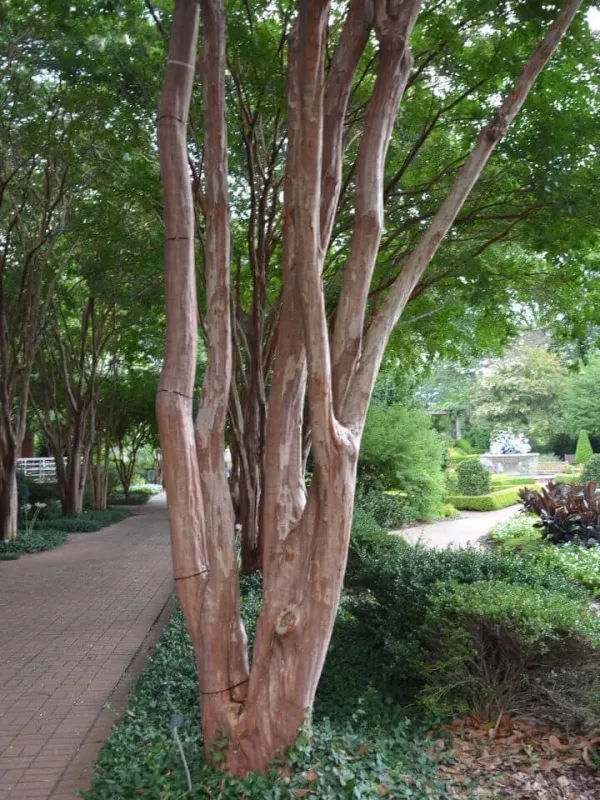
Description
Growing requirements
Lagerstroemia hybrid is an ornamental plant resulting from crosses between Lagerstroemia indica and Lagerstroemia fauriei, belonging to the Lythraceae family. These hybrids were specifically developed to combine the intense blooming characteristics of the Indian species with the superior mildew resistance and cold hardiness of L. fauriei.
The plants thrive in full sun exposure. Adequate light is essential for the maturation of wood, which in turn ensures better winter survival and a more spectacular floral display throughout the late summer and autumn.
Soil requirements involve well-draining, nutrient-rich earth. While they can tolerate various soil types, they perform best in slightly acidic to neutral soils. Proper drainage is paramount as stagnant water often leads to root rot, especially in cooler climates.
Cultural practices include consistent watering during the establishment phase and periods of drought. Once mature, these hybrids demonstrate moderate drought tolerance, although they prefer stable moisture levels to maximize growth rate.
Pruning is a critical aspect of management. Since these hybrids bloom on new wood, pruning during the late winter or early spring stimulates the production of vigorous new branches that will bear the summer flowers.
Main diseases and pests
Powdery mildew is the most common fungal disease affecting the genus. While hybrid varieties are specifically bred for enhanced resistance, environmental stressors such as high humidity and poor air circulation can still encourage infection.
Common insect pests include aphids and Japanese beetles. These can cause aesthetic damage to the leaves and developing flower buds, often requiring integrated pest management (IPM) strategies to maintain plant vigor.
Scale insects may also settle on the bark or branches. These pests are often difficult to detect until significant honeydew production or soot mold accumulation occurs on the foliage below.
To minimize threats, maintain proper spacing between plantings to facilitate air movement. Keeping the area under the canopy free of debris reduces the overwintering sites for various pathogens and pests.
Applying preventative horticultural oils during the dormant season can effectively control over-wintering stages of many insects, significantly reducing chemical reliance during the active growing season.