
Lagerstroemia hybrid
Hybrids between Lagerstroemia indica, Lagerstroemia fauriei and Lagerstroemia limii
Description
Growing requirements
Lagerstroemia hybrid refers to crosses between Lagerstroemia indica, Lagerstroemia fauriei, and Lagerstroemia limii, belonging to the Lythraceae family. These plants are scientifically developed to combine the intense floral beauty of indica varieties with the disease resistance and cold hardiness of fauriei species.
The cultural requirement for these hybrids is primarily a warm, sunny climate. They thrive best when placed in full sun, as light exposure directly influences the profusion of blooms during the summer season. In cooler regions, they require protection from frost and cold winds.
Regarding soil, these hybrids are adaptable but perform best in well-drained, fertile soil with a slightly acidic to neutral pH level. It is crucial to avoid heavy, waterlogged soils which can lead to root rot; amending soil with organic compost is highly recommended for optimal development.
The agrotechnical management involves consistent watering during the establishment phase and a balanced fertilization program in early spring. Pruning is an essential maintenance task performed in late winter to encourage vigorous growth and remove dead or crossing branches to maintain a healthy structure.
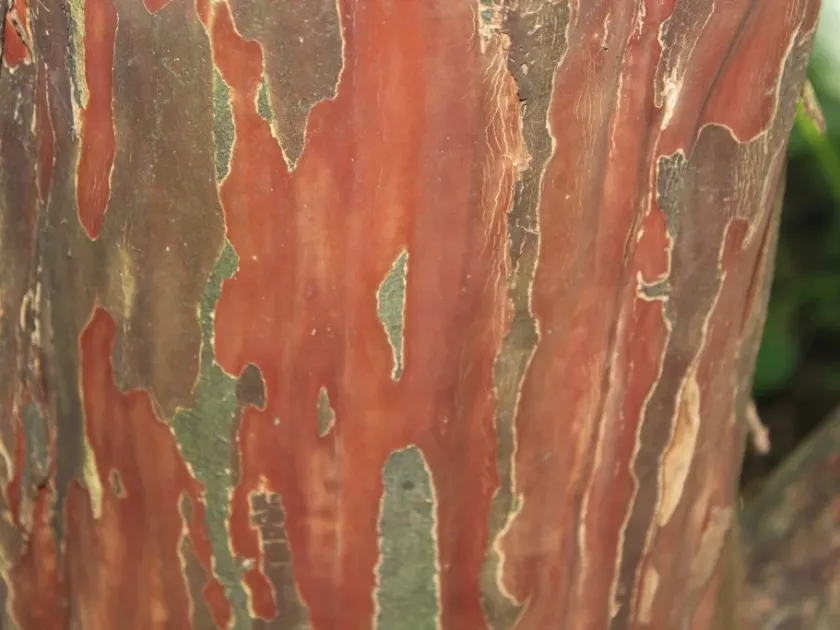
Economically and aesthetically, these plants are primarily used in landscape architecture. They serve as excellent specimens for ornamental gardens, sidewalk plantings, and as focal points in residential landscaping due to their unique peeling bark and extended blooming period.
Main diseases and pests
Although modern Lagerstroemia hybrids are bred for resistance, they are still susceptible to aphids, which can congregate on developing buds and tender leaves during the early growing season.
Powdery mildew can occasionally appear if the plants are situated in areas with low air movement and high humidity, affecting the leaves and resulting in a white, dusty appearance.
Scale insects can also infest the stems, requiring manual removal or the application of horticultural oils during the dormant season to manage populations effectively.
To minimize disease impact, gardeners should ensure adequate spacing between plants to facilitate drying of the foliage after rain or irrigation.
Maintaining plant vigor through appropriate nutrient management is a key strategy for ensuring that the shrubs can withstand minor pest or disease pressures throughout the year.