
Kyllinga odorata
Kyllinga odorata
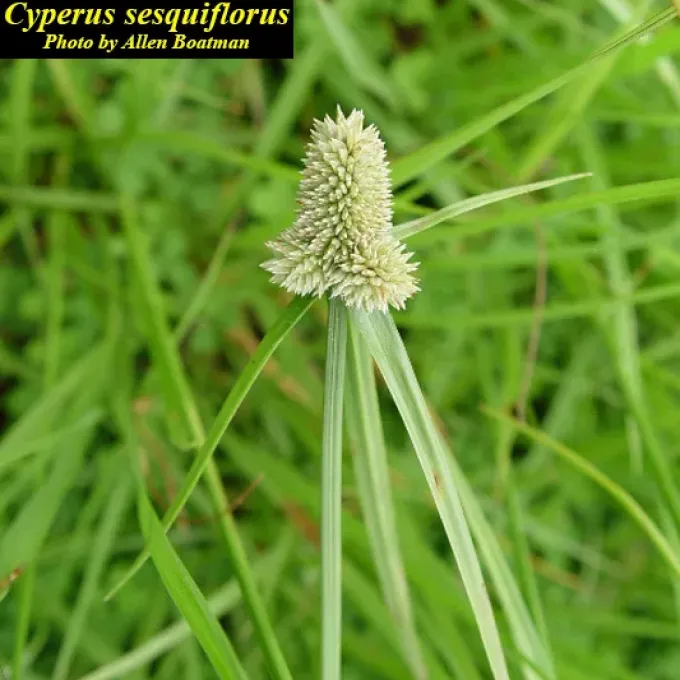
Description
Growing requirements
Kyllinga odorata, commonly known as fragrant flatsedge, is a perennial herbaceous plant belonging to the Cyperaceae family. It is widely distributed across tropical and subtropical regions, often thriving in moist environments such as marshes, riverbanks, and irrigated agricultural lands.
The plant is distinguished by its creeping rhizomes, which allow it to form dense mats or clumps. The stems are typically triangular, a classic characteristic of sedges, topped with small, fragrant, head-like inflorescences that appear during the warmer seasons.
Regarding its environmental requirements, the plant demands consistent soil moisture to thrive. It is highly adaptable to various soil types, ranging from sandy loams to heavier clays, provided that drainage is sufficient to prevent total root rot while maintaining hydration.
In terms of agricultural management, this species is often classified as a problematic weed in rice cultivation. Effective control measures usually involve a combination of manual weeding, precise water management, and the application of selective herbicides during the early growth stages.
While not a major commercial crop, the plant holds significance in botanical studies for its unique chemical composition and aromatic properties. Its invasive nature makes it a subject of constant monitoring in regions where agricultural productivity is a priority.
Main diseases and pests
The primary threats posed by this species include its aggressive competition for sunlight and nutrients with neighboring crops. Once established, its rhizomatous root system makes it extremely difficult to eradicate using only mechanical weeding techniques.
As a host for various pathogens, Kyllinga odorata can facilitate the spread of agricultural diseases. The dense vegetative cover provides a humid microclimate that encourages the growth of various fungi, which can subsequently impact neighboring economically valuable crops.