
Kyllinga alba
Kyllinga alba
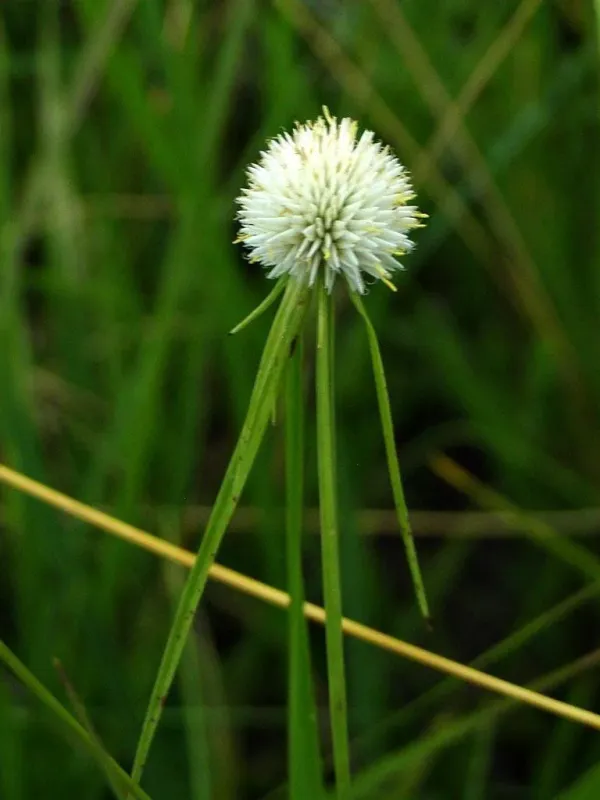
Description
Growing requirements
Kyllinga alba is a perennial herbaceous plant belonging to the Cyperaceae family. It is widely recognized for its creeping rhizomes and distinct white flowering heads, which serve as its primary identifying features in natural landscapes.
The plant exhibits high adaptability to various tropical and subtropical environments. It thrives primarily in moist soils, commonly colonizing wetlands, riverbanks, and areas where moisture availability is consistent throughout the growing season.
Regarding soil requirements, Kyllinga alba performs best in fertile loamy or sandy substrates that allow for proper root aeration despite the plant's preference for moisture. It is relatively resilient to soil compaction, making it a stable component in grazing ecosystems.
Climatic requirements focus on warmth and humidity. While the plant can tolerate short periods of environmental stress, sustained growth and biomass production are highly dependent on high solar radiation and frequent precipitation or irrigation.
Economically, this species is utilized mainly for its soil-binding properties, as its rhizomatous network helps mitigate erosion. It serves as a supplementary forage source in extensive pastoral systems, providing essential ground cover during the wet seasons.
Main diseases and pests
Fungal pathogens represent the most significant threat to Kyllinga alba, particularly those that thrive in stagnant water conditions where drainage is insufficient.
Various larvae and subterranean insects can inflict damage on the rhizomes, potentially hindering the plant's ability to propagate and survive seasonal shifts.
Invasive weed encroachment often outcompetes the plant in managed areas, leading to a reduction in its density if grazing or mowing practices are not properly timed.
Overgrazing poses a physical threat to the plant's structure; while it recovers well, constant pressure on the green canopy can deplete stored energy in the rhizomes.
Maintenance of the ecological balance is key to controlling threats. Strategies include proper water management and ensuring that livestock stocking rates do not exceed the carrying capacity of the land.