
Kyllinga crassipes
Kyllinga crassipes
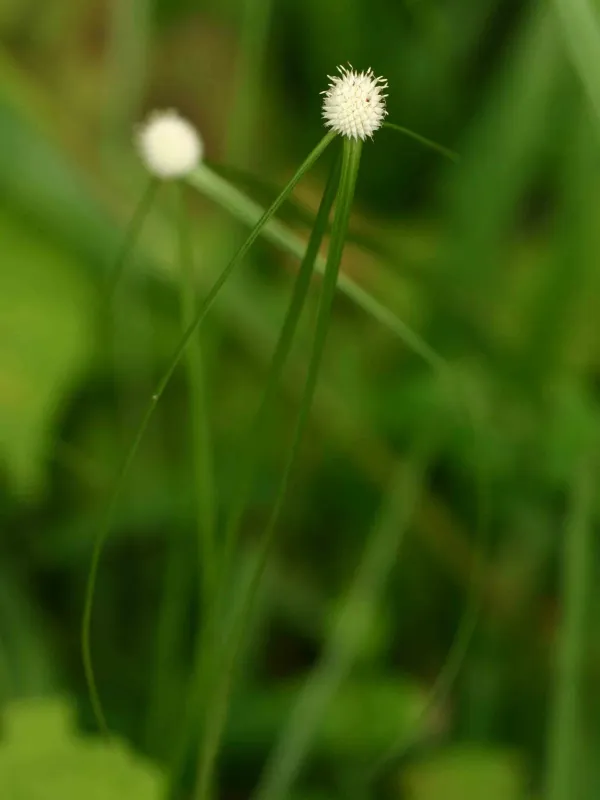
Description
Growing requirements
Kyllinga crassipes is a perennial herbaceous plant belonging to the Cyperaceae family. It is a robust species adapted to the specific climatic conditions of tropical and subtropical African regions.
The origin and primary habitat of this species are linked to wetlands and seasonal grasslands. Its ability to survive in water-logged soils makes it a unique candidate for specific ecological restoration projects.
The plant requires high temperatures and high moisture availability for optimal development. It thrives in soils that are rich in organic matter and have high water-holding capacity, which is essential during its active growing season.
Morphologically, Kyllinga crassipes is defined by its triangular stem structure and well-developed rhizomes. These features contribute to its resilience against environmental stressors, such as periodic drought or mechanical damage from grazing animals.
Economically, it serves as an important component of natural pastures. While it is not a major cultivated crop, its biomass provides necessary forage for livestock in regions where other grasses fail to establish due to excessive soil moisture.
Main diseases and pests
The plant is susceptible to fungal infections when grown in environments with poor air circulation and excessive humidity levels.
Pests such as specialized sedge-feeding insects can cause significant damage to the leaf tissue, reducing the overall biomass yield.
Root rot remains a concern if the soil profile remains stagnant for extended periods, potentially weakening the entire stand.
Competition with more aggressive invasive sedge species can limit the establishment of healthy Kyllinga crassipes colonies.
Integrated pest management strategies are advised to maintain the health of grazing plots where this species constitutes a major part of the feed.