
Golden kyllinga
Kyllinga aurata
Description
Growing requirements
Golden kyllinga (Kyllinga aurata) is a perennial herbaceous plant belonging to the Sedge family (Cyperaceae). It is widely recognized in agronomy for its vigorous growth and ability to adapt to environments that are often hostile to other plant species.
The origin of this species is tied to tropical and subtropical regions. It thrives in humid conditions and is frequently found in wetland areas, irrigated fields, and locations with high water tables, which are characteristic of its natural habitat range.
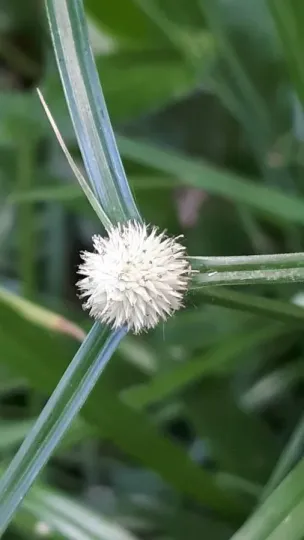
Botanically, it features an extensive system of rhizomes that facilitate clonal spread, allowing it to colonize large areas quickly. The foliage is narrow and grass-like, while the distinctive golden-yellow, head-shaped inflorescence provides a unique visual identification mark.
Environmental requirements include moist, nutrient-rich soils. The plant shows high tolerance for waterlogged conditions, which allows it to persist in fields dedicated to rice cultivation or other moisture-loving crops where soil aeration is limited.
While often viewed as a weed, the plant can play a role in soil stability in specific wet environments. In some agricultural systems, it is harvested as part of mixed forage where its growth is managed through specific cutting regimes to ensure minimal competition with crops.
Main diseases and pests
The primary threats to Kyllinga aurata populations include fungal infections, particularly those that manifest as leaf spots or stem rot during periods of prolonged saturation. These diseases can effectively reduce the density of infestation in natural areas.
Pests that frequently target golden kyllinga include aphids and spider mites, which can cause significant stress to the plant during dry spells. Management strategies focus on cultural practices to maintain the competitive advantage of desired crops over this robust sedge species.