
Bulbous kyllinga
Kyllinga bulbosa
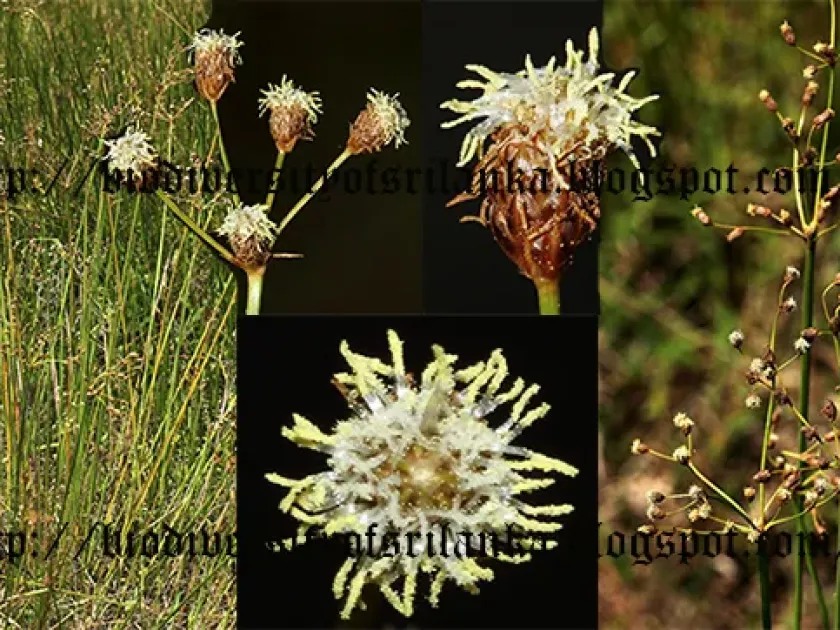
Description
Growing requirements
Bulbous kyllinga (Kyllinga bulbosa) is a perennial herbaceous plant classified within the Cyperaceae family. It is recognized for its adaptive nature, thriving primarily in tropical and subtropical regions where moist environmental conditions persist.
The plant demonstrates a strong preference for heavy, clay-rich soils that retain moisture efficiently. A defining biological feature is the presence of rhizomatous bulbs, which serve as essential storage organs allowing the plant to persist through seasonal variability.
Climate requirements for this species are centered on high solar radiation and warm temperatures, ideally between 20°C and 30°C. It is typically found in seasonally inundated floodplains and low-lying meadow areas across Africa and parts of Asia.
Botanically, it features characteristic dense flower heads supported by triquetrous stems. Its root system is exceptionally robust, providing excellent ground coverage and acting as a natural measure against soil erosion in susceptible areas.
Economically, it is valued as an opportunistic forage source. Due to its resilience against grazing, it provides a stable source of nutrition for livestock in wetland ecosystems where traditional forage crops might struggle to establish.
Main diseases and pests
The primary threats to Kyllinga bulbosa involve fungal pathogens such as leaf rust and various root rot fungi, which proliferate when soil drainage is poor.
Insect pests including sap-sucking bugs and lepidopteran larvae can cause significant biomass loss during the peak growing season if left unmanaged.
Overgrazing poses a systemic threat, potentially destroying the bulbous rhizomes and preventing the plant's ability to recover during subsequent growth cycles.
Effective management strategies require maintaining a balanced grazing rotation to allow for plant recovery and biomass accumulation.
- Monitoring for early signs of foliar fungal infection.
- Implementing rotational grazing to prevent crown damage.
- Applying integrated pest management strategies to mitigate insect pressure.