
Koordersiodendron
Koordersiodendron
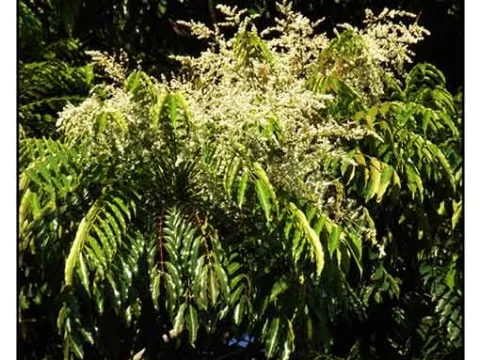
Koordersiodendron pinnatum is a large evergreen tree species belonging to the Anacardiaceae family. Renowned for its significant size, it can grow into a magnificent specimen reaching heights of up to 45 meters in its native tropical habitat.
What the section contains

Koordersiodendron
The origin of this species is traced to the tropical rainforests of Southeast Asia, specifically found in the Philippines, Indonesia, Malaysia, and Papua New Guinea. It thrives in regions with consistent rainfall and high thermal stability.
Successful cultivation requires deep, well-draining soils that are rich in nutrients. The species is highly intolerant to waterlogging, as its roots are prone to oxygen deprivation and decay if the soil structure does not allow for efficient drainage.
Agrotechnical management involves careful site selection and the provision of adequate light. While young trees benefit from dappled shade, mature specimens perform best under full sun, which facilitates rapid biomass accumulation and wood quality development.
Commercially, the tree is primarily exploited for its valuable timber, locally known as Rangas. This wood is highly prized for its durability, attractive grain, and resistance to environmental decay agents, making it ideal for construction and furniture manufacturing.
The primary threats to Koordersiodendron plantations include root-rot diseases caused by pathogenic fungi, which often manifest in sites with poor soil aeration.
Wood-boring insects present a constant risk, potentially compromising the structural integrity of the timber if the trees are stressed or poorly maintained.
Fungal infections of the foliage can occur during extended periods of humidity, requiring consistent monitoring and sanitation protocols within the growing area.
Environmental stressors, such as irregular rainfall patterns due to climate change, can negatively impact tree growth rates and overall plantation health.
Integrated pest management, combined with appropriate silvicultural practices, is essential to mitigate these risks and ensure the long-term viability of timber production.