
Koordersiodendron pinnatum
Koordersiodendron pinnatum
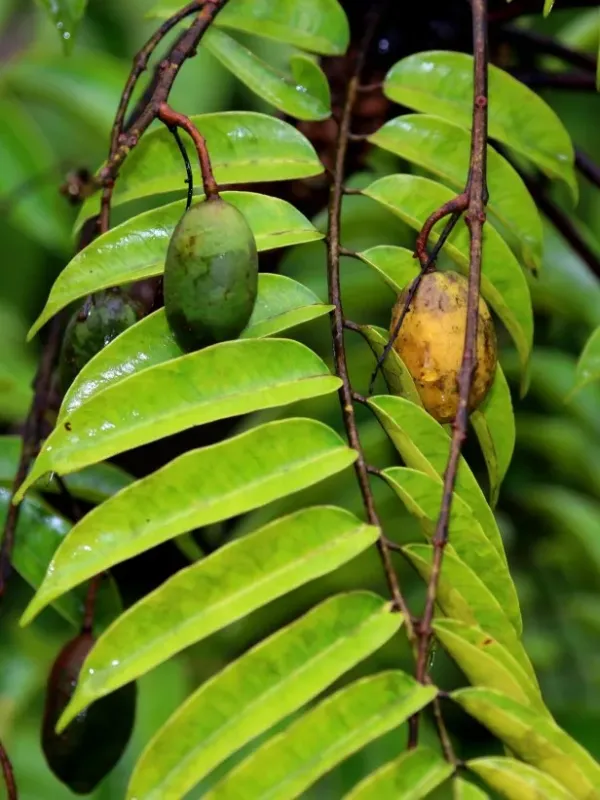
Description
Growing requirements
Koordersiodendron pinnatum, known as Ranggu or Philippine mahogany, is a large tree belonging to the Anacardiaceae family. It is a highly valued species in tropical forestry, characterized by its long life span and ability to reach significant heights in the canopy.
The tree is native to the tropical rainforests of Southeast Asia, specifically the Philippines, Malaysia, and Indonesia. It thrives best in deep, fertile soils that provide adequate drainage while maintaining consistent levels of organic matter.
Climatic requirements are strict: the species demands a tropical environment with high temperatures and substantial annual rainfall. It does not tolerate frost or cold snaps, and consistent humidity is essential for the healthy development of its pinnate foliage.
Botanically, the tree is recognized for its broad, spreading crown and robust stem structure. In silviculture, the slow growth rate is considered a characteristic feature, making it a tree that requires long-term management and patience during its maturation period.
Economically, the wood is highly prized for its decorative grain and hardness, often marketed as a high-end material for furniture making and veneers. It represents a significant resource for sustainable timber plantations in suitable tropical zones.
Main diseases and pests
The health of this species is primarily threatened by various wood-boring insects which target the trunk and heartwood, potentially reducing the timber quality. Regular inspection of plantation blocks is a necessary practice to manage such pest outbreaks.
Fungal pathogens represent another significant risk, particularly in high-humidity areas where air circulation is restricted. These pathogens can cause root rot or localized bark decay if the plantation site does not have optimal drainage.
Young seedlings are particularly vulnerable to foraging by local herbivores and damage from aggressive vine growth. Proper clearing and maintenance of the surrounding vegetation are critical during the first few years of establishment.
Environmental stress, including extreme weather events such as intense tropical cyclones, poses a direct threat to the physical structure of these tall trees. Planting strategies should prioritize site selection that minimizes exposure to wind corridors.
Anthropogenic pressure remains the most severe threat to natural stands, leading to habitat fragmentation. Sustainable cultivation practices are crucial to preserving the species while fulfilling the demand for its valuable timber resources.