
Kohautia caespitosa
Kohautia caespitosa
Description
Sowing dates
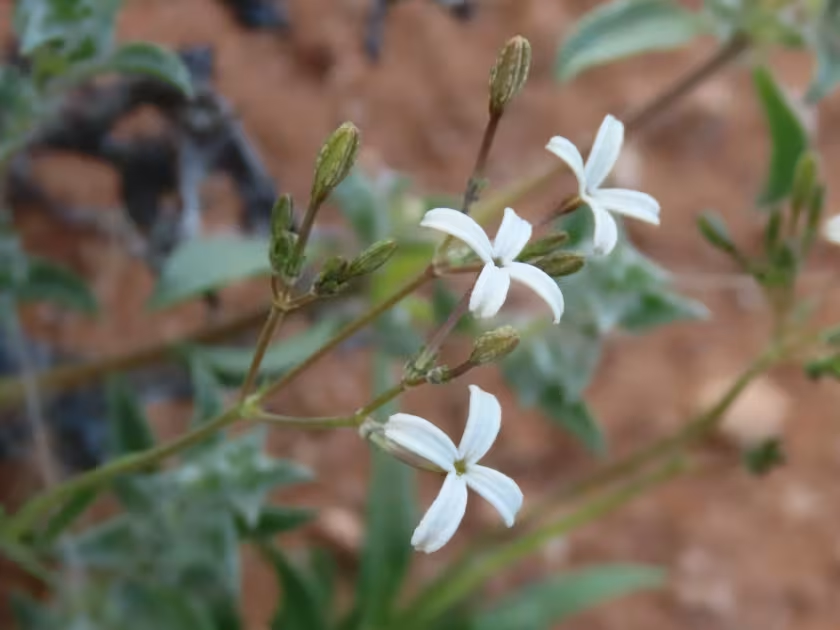
Kohautia caespitosa is a notable member of the Rubiaceae family, adapted to survive in harsh arid environments. This plant displays a distinct tufted growth habit, which is an evolutionary response to water scarcity and intense solar radiation common in its native range.
Sowing procedures for this crop must be synchronized with the local precipitation patterns if the plants are being cultivated under rain-fed conditions. It is essential to ensure that the soil temperature has stabilized at a high level to promote rapid and uniform germination.
The seeds are relatively small and require careful placement in the seedbed, with minimal soil coverage to ensure exposure to light. Improper sowing depth is one of the most common reasons for poor germination rates in agricultural settings.
Establishing a proper plant density is crucial for the development of a healthy stand. Too much competition within the row can inhibit the formation of the plant's characteristic dense structure, while sparse planting may lead to excessive weed interference.
Post-sowing moisture management is critical in the first few weeks after planting. Although the species is highly drought-tolerant once established, the germination stage requires consistent, albeit light, soil moisture to support the initial root system expansion.
Growing requirements
The crop thrives in well-drained soils, ranging from sandy loams to rocky substrates, making it highly suitable for areas with marginal land quality. It demonstrates exceptional tolerance to nutrient-poor soils, which reduces the need for expensive synthetic fertilizers.
Kohautia caespitosa requires full exposure to sunlight to maintain its compact growth form and prevent etiolation. It is well-adapted to high temperature fluctuations, demonstrating physiological resilience to diurnal thermal shifts typical of semi-desert climates.
Agricultural management should prioritize minimizing soil disturbance to maintain the natural structure and moisture retention capacity of the soil. Supplemental irrigation should only be considered during extreme, prolonged dry spells during the active growth phase.
The pH preference for this species is generally neutral to slightly alkaline, which matches the characteristics of most arid zone soils. It does not tolerate high salinity, and careful site selection is necessary to avoid areas prone to salt accumulation.
To encourage robust development, periodic weeding during the early stages of growth is recommended to eliminate competition. Once the plants have developed their root systems, their competitive ability increases significantly, allowing them to suppress most encroaching weeds.
Main diseases and pests
The primary threats to Kohautia caespitosa involve fungal pathogens that thrive when soil aeration is poor or humidity levels remain high for extended periods. Root rot and collar rot are particularly problematic if the drainage is inadequate.
Insect pests such as leaf-eating caterpillars and localized grasshopper infestations can damage the vegetation during peak growth periods. However, significant economic losses due to pests are rare when the crop is managed under appropriate environmental conditions.
Weed management should be conducted primarily through mechanical cultivation between rows to prevent root damage. Chemical weed control should be used sparingly, as the sensitivity of this species to certain herbicides has not been fully investigated.
Maintaining proper field hygiene is essential for preventing the spread of diseases. This includes the removal and destruction of any plants showing symptoms of wilting or chlorosis to prevent the spread of soil-borne pathogens to healthy plants.
Monitoring the crop for signs of abiotic stress is also vital. While highly resilient, excessive heat combined with unusual moisture can stress the plants, making them more susceptible to opportunistic infections that would otherwise be ignored by the plant's defense system.