
Kohautia attenuata
Kohautia attenuata
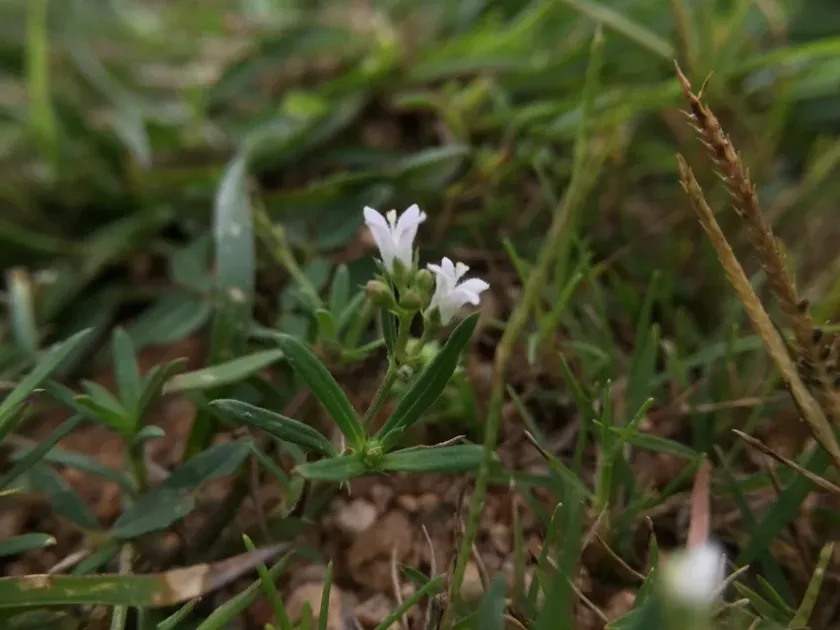
Description
Growing requirements
Kohautia attenuata is a distinct herbaceous plant belonging to the Rubiaceae family. It is primarily found in various tropical regions across Africa, where it has adapted to specific ecological niches characterized by fluctuating environmental conditions.
The plant is distinguished by its slender stems and narrow, opposite leaves. These botanical features are a typical evolutionary response to arid environments, allowing the plant to minimize water loss while maintaining efficient metabolic processes throughout the growth cycle.
This crop thrives in well-drained, sandy or gravelly soils that offer high permeability. Soil acidity should be maintained within a neutral to slightly acidic range to ensure optimal nutrient uptake, as the plant is sensitive to excessive mineral imbalances.
Climate requirements for successful cultivation include high thermal ranges, preferably between 22°C and 30°C. Kohautia attenuata is highly intolerant of frost, which restricts its agricultural potential to warm, frost-free climatic zones where sunlight exposure is consistent.
From an agronomic perspective, the plant requires careful water management. While drought-tolerant, supplemental irrigation during the seedling establishment phase is recommended to ensure uniform field density and high-quality biomass production.
Main diseases and pests
Root pathogens and various species of soil-borne fungi pose the most significant risk to Kohautia attenuata populations. Improper water management that leads to soil saturation is the primary catalyst for these disease outbreaks, making drainage a priority.
Pest pressure is generally centered on sap-sucking insects such as aphids or spider mites. Integrated pest management strategies, focusing on early detection and biological control methods, are highly recommended to protect the integrity of the crop yield.