
Knema malayana
Knema malayana
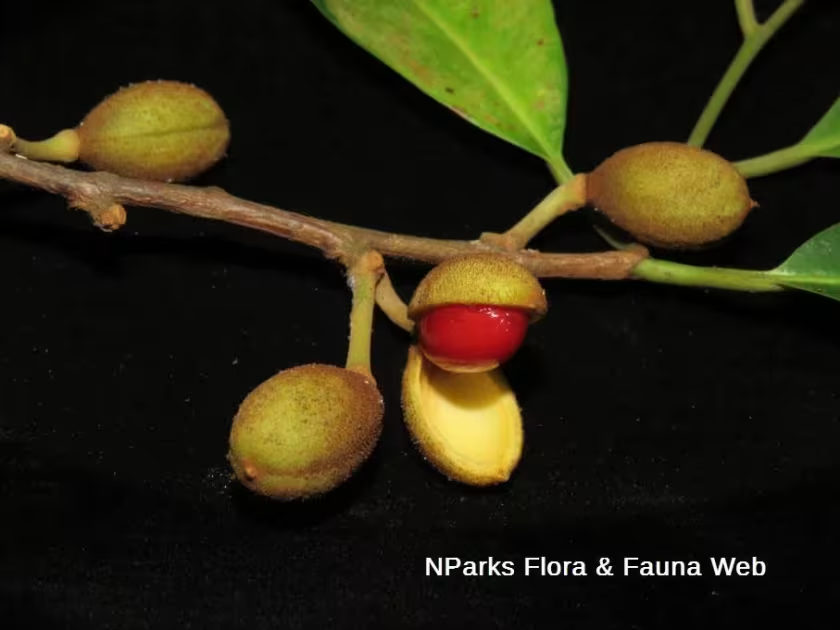
Description
Growing requirements
Knema malayana is a prominent species within the Myristicaceae family. It is a large evergreen tree native to the tropical rainforests of Southeast Asia, known for its ecological adaptation to humid environments.
The tree thrives in tropical climates characterized by high rainfall and warm temperatures throughout the year. It requires a stable environment where heat stress or prolonged dry periods are minimal.
Soil requirements for optimal growth include deep, nutrient-rich, and well-drained loams. Avoiding waterlogged conditions is essential, as the species relies on soil aeration for healthy root development.
In terms of light, young saplings are often shade-tolerant, allowing them to establish successfully under a canopy. As they mature, they require consistent access to light to maximize biomass accumulation.
Proper silvicultural practices, including strategic thinning, are necessary to ensure that the trees have adequate space for growth and to improve the overall health of the plantation.
Yield
The primary economic value of Knema malayana lies in its timber, which is widely utilized in the construction industry, particularly for plywood manufacturing and interior joinery.
The wood is appreciated for its workable properties and moderate density, making it a reliable material for local furniture production and light-duty structural applications within the region.
Research into the non-timber uses, such as oil extraction from seeds, highlights the versatility of the species and potential for further industrial application in local markets.
Productivity is managed through sustainable harvesting cycles, which ensure that the forest resource remains renewable while providing consistent timber supplies for the manufacturing sector.
Integrating Knema malayana into agroforestry projects helps in diversifying income streams for rural communities while maintaining forest cover and environmental integrity.
Main diseases and pests
Common threats to the species include fungal pathogens that thrive in high-humidity conditions, potentially causing root rot or stem decay if the trees are stressed by environmental changes.
Pests, particularly wood-boring insects, represent a significant concern for commercial plantations, as they directly impact the quality and harvest value of the timber.
Habitat loss due to land conversion for other agricultural uses remains a major threat to the survival of natural populations and the gene pool of the species.
Integrated pest management (IPM) strategies, involving biological control and regular monitoring, are essential for mitigating the impact of insects and diseases in large-scale forestry.
Maintaining biological diversity within plantation areas is a key preventative measure, as it fosters natural resistance and stabilizes the ecosystem against potential outbreaks of pests.