
Knema hookeriana
Knema hookeriana
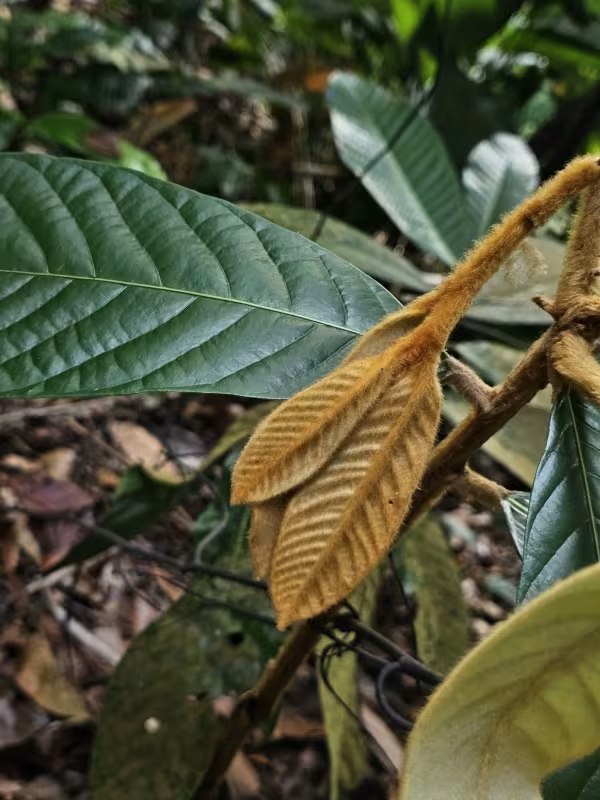
Description
Growing requirements
Knema hookeriana is a distinct tree species belonging to the Myristicaceae family. Native to the lush tropical rainforests of Southeast Asia, this plant thrives in environments characterized by consistently high rainfall and warm tropical temperatures throughout the entire year.
The tree requires well-drained, nutrient-rich soil to support its growth. In its natural habitat, it is typically found in lowland areas where the ground remains moist but not waterlogged. Soil aeration is essential for the healthy development of its root system, making site selection a critical factor for successful growth.
Botanically, Knema hookeriana is characterized by its evergreen foliage and unique inflorescences. It acts as an important component of the tropical canopy, providing structural diversity within the forest. The leaves are typically oblong and display distinctive venation patterns characteristic of the Myristicaceae family.
Climatic requirements are strict: the species demands a high-humidity environment and protection from extreme temperature fluctuations. It is not suitable for cultivation in temperate zones, as it requires stable, warm conditions to maintain its physiological functions and metabolic rates.
The economic value of this tree is mainly derived from its timber, which is utilized for light construction and interior woodworking in its native regions. Furthermore, the tree plays a vital ecological role by providing habitats and food sources for various tropical bird and insect species.
Harvesting
The harvesting of Knema hookeriana timber is typically managed through sustainable selective logging practices. This ensures that the population remains viable and capable of natural regeneration, which is necessary given the tree's moderate growth rate in competitive forest environments.
Post-harvest processing involves careful drying to ensure the wood is stabilized before being used in manufacturing. In the humid tropical environment, controlling moisture content is the most critical step to preventing fungal growth and ensuring the structural integrity of the timber.
While the wood is the primary product, local communities may utilize other parts of the tree for traditional purposes, though these practices remain small-scale. It is essential to monitor the total volume of harvested biomass to avoid overexploitation of the native stands.
Professional forestry management in regions where Knema hookeriana grows focuses on mapping the density of the species to ensure that harvesting activities do not degrade the local ecosystem. Sustainable practices also involve identifying young individuals to promote their growth for future harvests.
Proper harvest logistics in tropical regions require on-site pre-processing to minimize damage to the timber during transport to processing facilities. By optimizing the cutting cycles, forest managers can maintain a steady supply of wood while preserving the biodiversity of the rainforest area.