
Knema globularia
Knema globularia
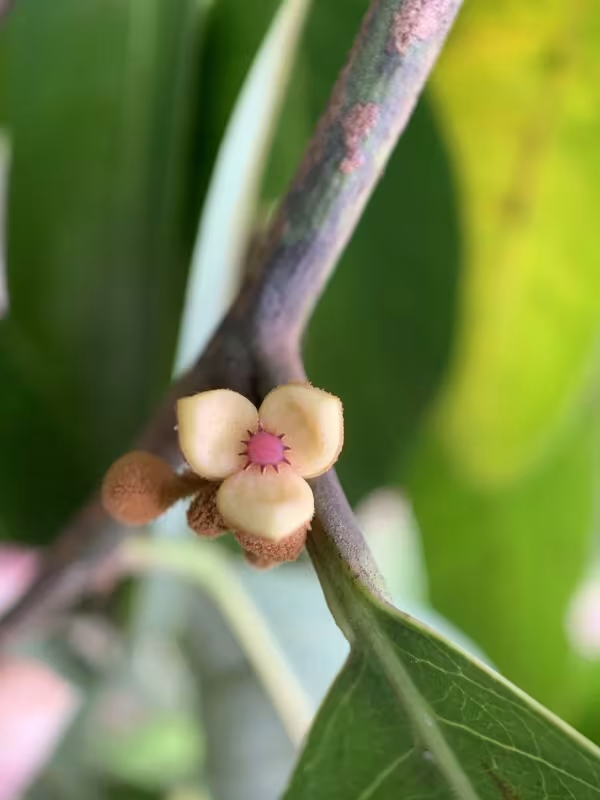
Description
Growing requirements
Knema globularia is an evergreen tree species belonging to the Myristicaceae family, closely related to the nutmeg tree. It is native to the tropical forests of Southeast Asia, thriving in environments with consistent rainfall and warm conditions.
The cultivation of this species requires a tropical climate with temperatures ranging between 24 and 30 degrees Celsius. It is highly sensitive to frost and sudden temperature drops, which can severely damage the tree's physiological processes and overall growth rate.
The plant grows best in nutrient-rich, deep soils that maintain good moisture levels while ensuring proper drainage. Because it originates from forest floors or edges, it prefers fertile substrates with high organic content, often supplemented by mulch in agricultural settings.
Botanically, Knema globularia is recognized by its coriaceous leaves and spherical fruit capsules. The tree requires partial shade, especially during its early years, to mimic the canopy environment of its natural habitat and prevent leaf scorching from direct sunlight.
Agro-technical management involves maintaining consistent soil moisture and providing protection from strong, drying winds. While it is not a widely commercialized global crop, its biological characteristics make it an interesting candidate for niche agroforestry systems.
Harvesting
The primary economic interest in Knema globularia lies in its phytochemical properties. Various parts of the tree, particularly the bark and seeds, are traditionally utilized in folk medicine for their anti-inflammatory and antiseptic activities.
Harvesting is typically done by hand, targeting mature fruit capsules when they reach the peak of their chemical development. Because the yield of active compounds is contingent upon maturity, careful timing is essential for high-quality production.
Post-harvest processing involves separating the seeds from the fruit flesh and subjecting them to controlled drying. This step is critical for preventing fungal growth and ensuring that the volatile oils within the seeds remain stable for pharmaceutical or industrial use.
Storage of the processed materials requires cool, dry conditions to protect the efficacy of the botanical extracts. As interest in herbal medicines grows, standardized collection practices are becoming increasingly important for the conservation of this species.
Future research efforts aim to better understand the crop's yield potential and genetic variability. By establishing sustainable cultivation protocols, researchers hope to reduce the pressure on wild populations while meeting the rising demand for plant-derived compounds.