
Knema conferta
Knema conferta
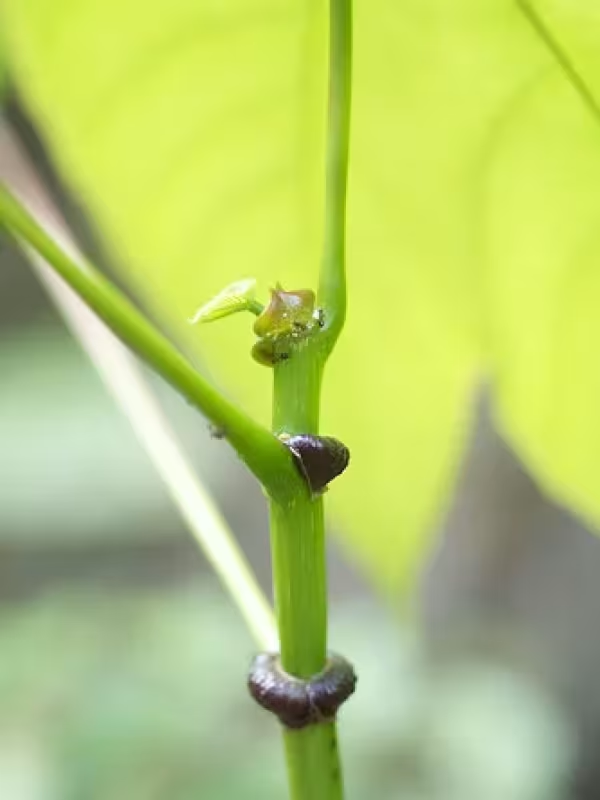
Description
Growing requirements
Knema conferta is an evergreen tree species belonging to the Myristicaceae family, which is taxonomically related to the nutmeg family. This species is indigenous to the tropical rainforests of Southeast Asia, thriving in regions with high precipitation and stable, warm climates.
The plant requires deep, fertile, and well-drained soils to support its growth cycle. In its natural habitat, it is usually found in primary or secondary lowland forests, demonstrating a high tolerance for varying degrees of forest floor shading.
Environmental conditions must emphasize the maintenance of humidity. The species is highly sensitive to cold, making it unsuitable for cultivation in temperate or subtropical zones without significant environmental control measures for greenhouse production.
Botanically, Knema conferta is characterized by simple, alternate, leathery leaves and axillary inflorescences. The fruit consists of a dehiscent capsule containing a seed surrounded by a fleshy aril, which is a diagnostic feature used in field identification.
Cultural management involves careful site selection to avoid stagnant water areas. When planted in agroforestry systems, the spacing must be sufficient to allow adequate canopy development while maintaining the integrity of the soil structure.
Yield
The economic utility of Knema conferta is primarily focused on small-scale timber production and the extraction of seed-based oils. The wood is utilized for local construction, furniture components, and various wooden craft items due to its manageable density.
Seeds derived from the capsules serve as a source of oils used in traditional preparations and technical applications. The yield potential is typically measured by the quality and weight of the harvested capsules collected during the dry-ish periods of the tropical cycle.
Harvesting is usually conducted manually once the fruit capsules reach maturity and exhibit signs of splitting. Efficient post-harvest processing is critical to prevent moisture-induced degradation of the seeds and to maintain the purity of the oils extracted.
As a forest-dwelling species, it provides significant ecological benefits within mixed-crop systems. Its inclusion in agricultural projects contributes to the structural complexity of plantations and supports local biodiversity in forest-adjacent regions.
Ongoing interest in the phytochemical properties of Knema species suggests future potential for high-value compounds. While currently utilized primarily for timber, there is potential for expanding the utilization of its bark and seeds in pharmacological research.