
Narrow-leaved Knema
Knema angustifolia
Description
Growing requirements
Knema angustifolia, known as the narrow-leaved knema, is an evergreen tree species belonging to the Myristicaceae family. This tropical plant is native to the dense rainforests of Southeast Asia, thriving in environments with consistent rainfall.
The tree requires well-drained, nutrient-rich soils to maintain healthy growth. In its natural habitat, it forms an integral part of the understory, adapted to high humidity levels and stable tropical temperatures that do not fluctuate significantly.
Agricultural techniques for this species focus on providing high moisture content while preventing waterlogging, which is a common stress factor for the root system. The tree typically benefits from organic mulching to mimic the forest floor composition.
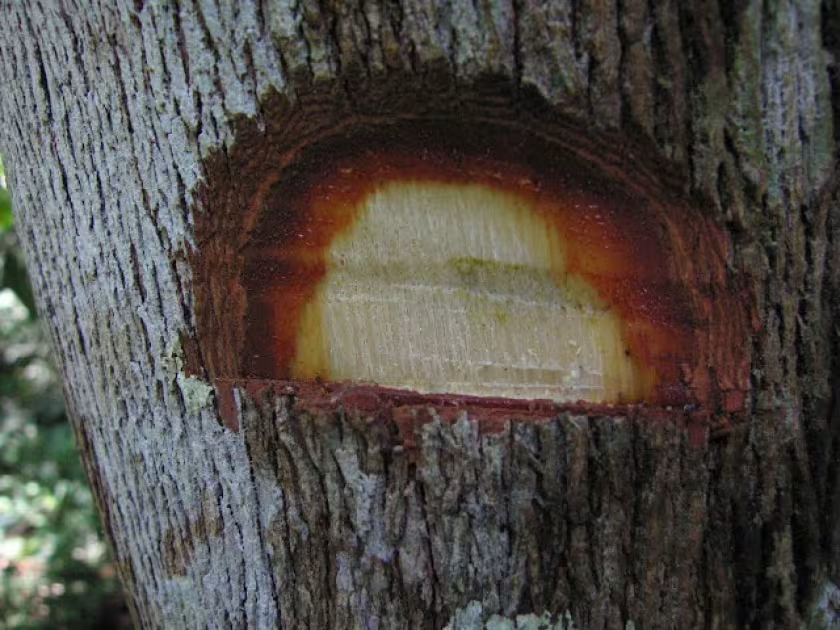
Botanically, Knema angustifolia is distinguished by its elongated, leathery leaves and characteristic wood structure. It is a slow-growing species that requires protection from strong winds and direct, harsh sunlight during the early stages of its development.
In terms of economic use, the timber of this species is utilized by local communities for building structures and small carpentry. Ongoing botanical research explores the potential medicinal value of its secondary metabolites found in its bark and fruit.
Main diseases and pests
The primary threat to the narrow-leaved knema is deforestation, which severely reduces its natural range. Habitat destruction poses a long-term risk to the survival of various populations in their native regions.
In managed agricultural or nursery settings, root rot pathogens represent a significant threat. These diseases are often encouraged by high soil moisture combined with poor ventilation, which limits the tree's defensive capabilities.
Insects like spider mites and mealybugs can infest the foliage, particularly when the plants are kept in greenhouse conditions. Proactive pest management and regular inspection of the leaf underside are recommended.
Fungal infections resulting in leaf spots are also prevalent in overly humid, stagnant environments. Ensuring proper air circulation is essential for mitigating the spread of these pathogens among young saplings.
Cultivators should prioritize environmental stability to ensure the health of the trees, as any deviation from optimal heat and humidity parameters can lead to weakened resistance against common tropical pests and diseases.