
Rugosa rose
Rosa rugosa Thunb.
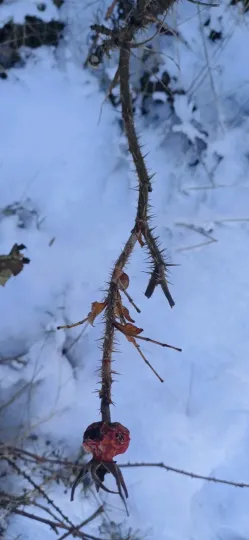
Description
Sowing dates
Planting Rosa rugosa is best done in late autumn or early spring. This resilient shrub can be propagated through seeds, cuttings, or root suckers, which are the most common and effective ways to establish a plantation.
When planting from seedlings, holes should be dug at least 50 cm deep. Incorporating organic matter, such as compost or well-rotted manure, at the bottom of the hole ensures strong root development during the first growing season.
Spacing is a crucial factor for long-term health. A distance of 1.5 to 2 meters between plants is recommended to promote optimal airflow and reduce the risk of humidity-related foliage diseases, which are common in dense plantings.
The root neck of the seedling should be placed slightly below the soil surface to encourage the growth of new basal shoots. This practice helps to create a dense, bushy habit that is highly productive over time.
Rosa rugosa, belonging to the Rosaceae family, is a highly adaptive perennial. Once established, it requires little maintenance, making it an excellent candidate for sustainable, low-input agricultural systems.
Growing requirements
This species is renowned for its extreme hardiness. It thrives in a wide range of soil types, including sandy, coastal, and even slightly saline soils, demonstrating remarkable resilience to harsh environmental conditions.
Adequate sunlight is the primary requirement for high fruit yields. The shrub should be located in full sun, as shading significantly reduces the number of flowers and subsequently limits the production of rose hips.
While tolerant of drought once established, regular irrigation during the initial growth stages and the fruit-setting period is vital to ensure optimal size and quality of the hips, especially in arid climates.
Periodic pruning is essential for rejuvenation. Removing branches that are older than five years encourages new growth, maintains the shrub's vigor, and keeps the plant accessible for mechanical or manual harvesting.
Soil pH should ideally remain between 5.5 and 6.5. Although the plant is not highly demanding, periodic fertilization with phosphorus and potassium during the spring will support robust growth and abundant flowering.
Yield
The yield potential of Rosa rugosa depends on the density of the planting and the age of the shrubs. Mature, well-managed plants can produce several kilograms of rose hips annually, making them commercially viable.
Harvesting usually begins when the hips are fully colored and firm. These hips are rich in Vitamin C, antioxidants, and essential oils, which are highly sought after by the food, cosmetic, and pharmaceutical industries.
Beyond the fruits, the petals of the Rugosa rose are commercially valuable for their strong fragrance. They are harvested for the perfume industry and for producing high-quality floral waters and culinary decorations.
Regular maintenance, including proper pruning and soil nutrition, ensures that the yield remains consistent over the lifespan of the shrub, which can span several decades.
Commercial yields are optimized when the shrubs are protected from high winds and located in areas with sufficient cross-pollination opportunities, which are usually provided by native bee populations.
Main diseases and pests
Powdery mildew and rust are the most frequent threats, particularly in regions with high humidity or poor ventilation. These fungal infections cause leaf discoloration and can significantly impact the overall health of the plant.
Pests such as aphids, spider mites, and rose sawflies can cause considerable damage to new shoots and foliage. These insects feed on plant sap, leading to stunted growth and reduced flower production.
Integrated pest management is recommended. This includes the removal of diseased plant debris in autumn, which helps reduce the overwintering population of pathogens and pests within the plantation.
Chemical control should be used as a last resort. If insecticides or fungicides are necessary, they must be applied outside of flowering periods to minimize the negative impact on beneficial pollinators like bees.
Maintaining proper spacing and ensuring the shrubs do not become overgrown is the most effective preventative measure against the spread of diseases and the buildup of pest populations.
Harvesting
Harvesting rose hips typically takes place from late summer through early autumn. It is crucial to pick the fruit when it reaches its characteristic bright red color but before it becomes overripe or mushy.
Due to the sharp thorns on the stems, protective gloves are necessary during the manual harvesting process. Each hip is carefully detached from the branch to avoid damaging the fruiting spur.
Once harvested, the hips should be processed immediately. If they are intended for long-term storage, they must be dried using a temperature-controlled process, ideally not exceeding 70 degrees Celsius.
Properly dried hips should be firm and dark in color. They must be stored in cool, dry, and dark conditions to prevent the degradation of heat-sensitive vitamins and to ensure a long shelf life.
Efficient post-harvest handling includes cleaning the hips of any debris and sorting them by size and maturity, which adds value and simplifies the industrial processing of the final product.