
Chinese anemone
Anemone hupehensis (Lemoine) Lemoine var. japonica (Thunb.) Bowles & Stearn
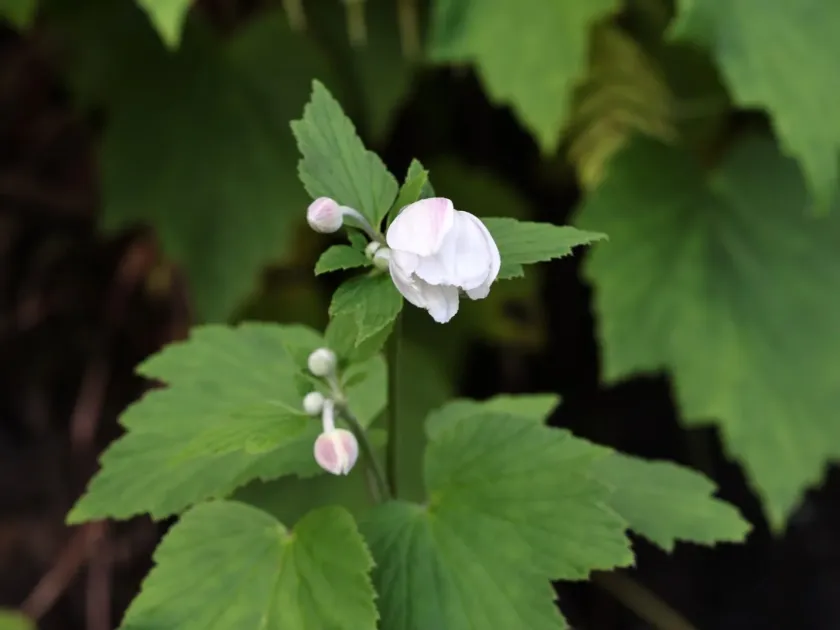
Description
Sowing dates
Propagation of the Chinese anemone is most effectively achieved through rhizome division. The optimal time for this procedure is early spring, just as the plant begins its new growth cycle after winter dormancy.
Division can also be performed in late summer immediately after the main flowering season. It is crucial to ensure that the divided rhizomes are kept moist to facilitate successful root establishment before the onset of colder weather.
Seed propagation is possible but more challenging due to the specific stratification requirements. Seeds should be sown in trays in late winter, ensuring the substrate remains consistently moist but not waterlogged during the germination process.
When planting in the garden, provide a spacing of at least 45 to 50 centimeters between individual plants. This spacing allows for proper air circulation and prevents the overcrowded conditions that often lead to foliage diseases.
The rhizomes should be planted at a depth of approximately 5–7 centimeters. Once planted, applying a layer of organic mulch will help regulate soil temperature and retain moisture, which is essential for young plants.
Growing requirements
The Chinese anemone is a member of the Ranunculaceae family and is highly valued for its late-season blooms. It thrives in locations that provide partial shade, particularly where it is sheltered from the intense afternoon sun.
The ideal soil for this perennial is rich, humus-based, and well-drained. While the plant appreciates moisture, it is sensitive to waterlogged conditions, which can lead to rapid decay of the root system during winter months.
The soil should have a neutral to slightly alkaline pH. Regular incorporation of compost into the planting site improves soil structure, aeration, and fertility, which are critical for long-term health and vigorous blooming of the anemone.
Consistent watering is necessary throughout the growing season, especially during periods of drought. Because the root system is relatively shallow, the plants will quickly exhibit signs of stress if the soil dries out completely.
While relatively hardy, Chinese anemones benefit from winter protection in colder climates. Applying a thick layer of mulch around the base of the plant in late autumn helps protect the crown from freezing temperatures and frost heaving.
Main diseases and pests
Leaf nematodes are a significant threat to this species, often manifesting as irregular brown blotches between leaf veins. Infected foliage should be removed promptly to minimize the spread of these microscopic pests to healthy growth.
Powdery mildew is a common fungal issue that arises in humid conditions with poor air movement. Proper spacing and avoiding overhead watering can help mitigate the risk, along with the application of appropriate systemic fungicides.
Gray mold, caused by Botrytis, can affect plants in cool, wet environments. It usually attacks the buds and stems, causing them to wither. Ensuring good drainage and removing any dead plant debris are effective preventive measures.
Slugs and snails can cause significant damage to young leaves during the early part of the season. Gardeners can use physical barriers, such as copper tape or crushed eggshells, or approved molluscicides to manage these populations effectively.
Root rot is typically a sign of poor drainage or overwatering. By carefully monitoring the moisture level of the soil and ensuring the planting area is properly prepared, most of these plant health issues can be successfully managed.