
Balkan anemone
Anemone blanda Schott & Kotschy
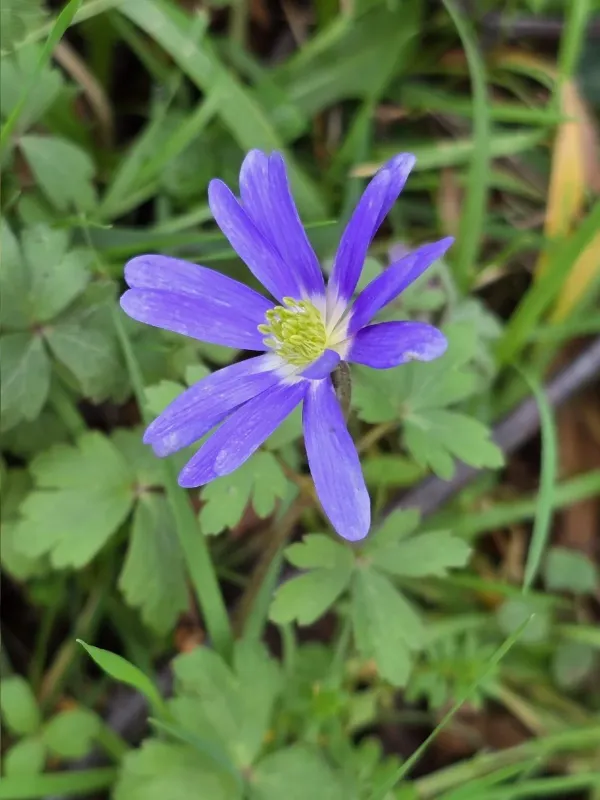
Description
Sowing dates
Planting typically takes place in the autumn, allowing the tubers to establish roots before the ground freezes, which ensures early spring blooming.
It is essential to soak the shriveled tubers in water for several hours before planting to restore their turgor and facilitate rapid sprouting.
The optimal planting depth is approximately 5 to 7 centimeters, placing the tubers with their growth buds facing upwards whenever possible.
Spacings between individual tubers should be around 10 to 12 centimeters, which allows for natural propagation and prevents competition for soil nutrients.
Incorporating a layer of coarse sand at the bottom of the planting hole acts as a crucial safety measure to improve drainage and prevent rot.
Growing requirements
The Balkan anemone (Anemone blanda) is a tuberous perennial plant belonging to the Ranunculaceae family, native to the southeastern regions of Europe and the Caucasus.
This species thrives in temperate climates and is highly regarded for its ability to create dense, colorful carpets in sunny or semi-shaded garden areas.
Successful cultivation requires soil that is rich in organic matter, light in texture, and possesses excellent drainage properties to prevent root decay.
The plant performs best in neutral to slightly alkaline soil conditions; therefore, amending acidic soils with lime or ash is a recommended agricultural practice.
Environmental requirements include a cool spring growing season followed by a relatively dry period during the summer dormancy of the tubers.
Main diseases and pests
The most significant threat to the Balkan anemone is tuber rot, usually triggered by excessive irrigation or poorly drained waterlogged soils.
Common garden pests such as slugs and snails are highly attracted to the fresh, succulent foliage and can cause severe damage if not managed early.
Leaf spots caused by fungal pathogens can appear during wet spring conditions, requiring the application of preventive fungicide treatments.
Viral diseases transmitted by aphids can lead to stunted growth or mosaic patterns on leaves, necessitating the control of aphid populations in the garden.
Good cultural hygiene, including the removal of dead foliage and avoiding over-crowding, is essential for maintaining a healthy and disease-free crop.