
Japanese anemone
Anemone hupehensis Lemoine x A. rupicola Cambess.
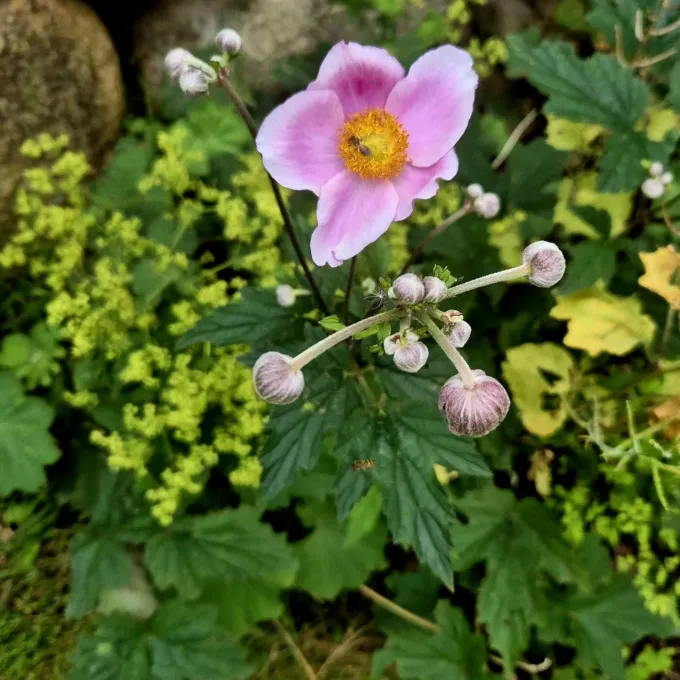
Description
Sowing dates
The Japanese anemone (Anemone hupehensis x A. rupicola) is a popular herbaceous perennial belonging to the Ranunculaceae family. It is typically propagated by division, as these hybrids do not always produce reliable results from seed, which often leads to the loss of specific varietal characteristics.
The best time to divide the rootstock is in early spring as new growth begins to emerge. This allows the plants to establish their root systems before the heat of summer. Carefully lift the clump and divide it into smaller sections, each containing healthy buds and a portion of the fibrous root system.
Planting depth should be shallow, keeping the crown of the plant just at or slightly below the soil surface. After planting, the area should be watered thoroughly to settle the soil around the roots and eliminate air pockets that could cause drying or decay.
Spacing is essential for the long-term health of Japanese anemones. They should be placed at least 45 centimeters apart to ensure adequate airflow between plants, which is crucial for preventing humidity-related diseases and allowing for the development of their characteristic foliage.
Incorporating organic matter such as well-rotted compost or leaf mold into the planting hole at the time of installation will provide the necessary nutrient base and improve soil structure for vigorous growth in subsequent seasons.
Growing requirements
Japanese anemones thrive in partial shade, particularly in areas where they receive filtered light throughout the day. While they can tolerate more sun in cooler northern climates, harsh, direct midday sun should be avoided to prevent leaf scorch and premature wilting.
Soil requirements focus on moisture retention combined with excellent drainage. These plants prefer humus-rich, fertile soils that remain consistently moist during the growing season. They do not tolerate prolonged waterlogging, especially in winter, which can lead to root rot.
Regular irrigation is vital during the summer months. During periods of drought, the plants should be watered deeply, ideally avoiding the foliage to maintain leaf health. Mulching around the base of the plant will help regulate soil temperature and conserve moisture effectively.
Fertilization is generally recommended in early spring to support the development of new stems. A balanced, slow-release fertilizer or a top-dressing of organic compost is usually sufficient to sustain the plants throughout their flowering period, which peaks in late summer and autumn.
Winter care involves cutting back the dead foliage after the first frost, which tidies up the garden and protects the plant from harboring pests or fungal spores during the dormant period. Applying a layer of mulch provides extra insulation against freezing temperatures.
Main diseases and pests
Root rot is the most significant threat to Japanese anemones, particularly when plants are grown in heavy, poorly drained soils. Symptoms include stunted growth and wilting despite adequate watering. Improving soil drainage is the primary method of preventing these issues.
Foliar nematodes are common pests that cause unsightly brownish patches between the leaf veins and can lead to distorted growth. Management involves removing and destroying infected foliage immediately to stop the spread, along with maintaining good garden sanitation practices.
Slugs and snails can cause considerable damage, especially in spring, by feeding on the emerging foliage. Gardeners can use physical barriers, such as copper tape, or biological controls to protect the young shoots until the plant gains enough vigor to withstand minor attacks.
Powdery mildew may occur on the leaves during late summer when humidity is high and there is poor ventilation. If infection is detected, applying appropriate fungicide sprays or improving air circulation by thinning the plants can effectively stop the disease from progressing further.
Maintaining a regular monitoring schedule helps ensure that any pests or diseases are caught early, minimizing the need for chemical intervention. By providing optimal growing conditions, the plant's natural resistance is enhanced, allowing it to flourish in the garden for many years.