
Nodding anemone
Anemone cernua Thunb.
Description
Growing requirements
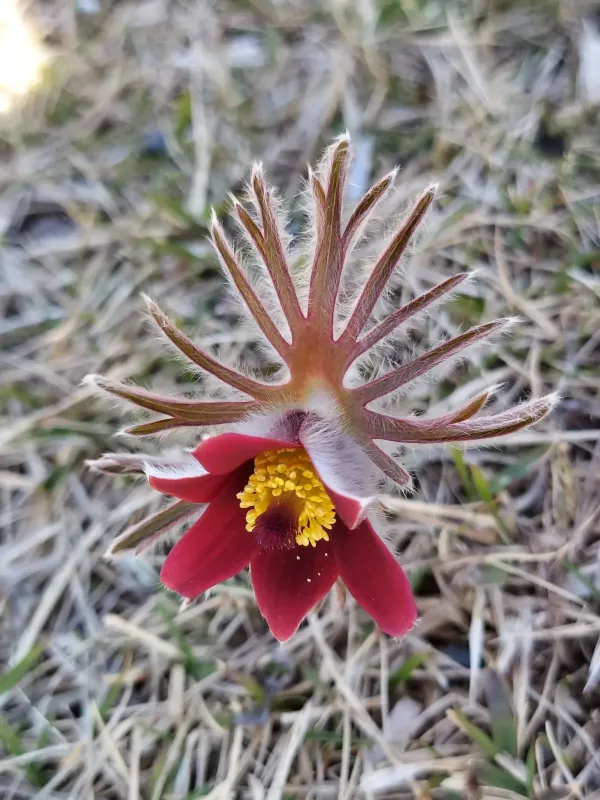
The nodding anemone (Anemone cernua) is a herbaceous perennial plant belonging to the Ranunculaceae family. Native to East Asia, including Japan, Korea, and parts of China, it is typically found in dry meadows and open mountain slopes, where it has adapted to specific climatic conditions.
Cultivating this plant requires well-drained, nutrient-rich soil that is neutral to slightly acidic. Providing an excellent drainage system is vital for the health of Anemone cernua, as it is highly susceptible to root rot if water remains stagnant around the roots for extended periods.
The nodding anemone thrives best in locations with full sun to partial shade. In areas with intense summer heat, light afternoon shade is recommended to prevent leaf scorching and excessive dehydration of the soil, ensuring the plant retains its vigor throughout the growing season.
Agricultural maintenance involves regular weeding and light mulching to maintain soil moisture levels and suppress weed competition. During the initial growth phase in spring, balanced fertilization can help promote stronger stems and more abundant flowering, characteristic of this species.
The primary use of this plant is in ornamental horticulture. Its unique nodding flower heads make it a perfect candidate for rock gardens, border edging, and naturalistic landscape designs where a delicate, elegant aesthetic is desired during the flowering period.
Main diseases and pests
Common plant diseases affecting Anemone cernua include powdery mildew and root rot caused by various soil fungi. These issues are almost always linked to improper irrigation techniques or poor soil permeability, highlighting the need for careful water management.
Pests such as aphids, spider mites, and leaf nematodes can also pose significant threats. Preventive measures, including keeping the site clean and using insecticidal soaps or systemic pesticides when necessary, are effective strategies to ensure the plant remains healthy and disease-free.