
Snowdrop anemone
Anemone sylvestris L.
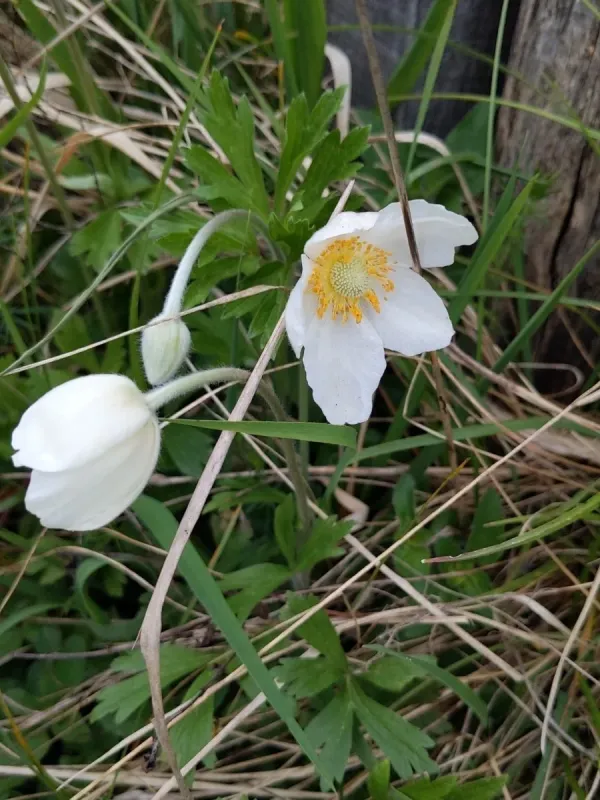
Description
Sowing dates
The propagation of the snowdrop anemone is most effectively achieved through vegetative division of the rhizomes, which ensures rapid establishment in the new site.
Ideally, division should be performed in early spring or immediately after the flowering period, allowing the plant to recover before the next growing season.
Seed propagation is also possible, but it requires a prolonged period of cold stratification for several months to successfully break seed dormancy.
When planting, it is essential to set the rhizomes at a depth of about 5 centimeters in well-aerated soil to avoid damaging the growing points.
Proper spacing, usually 30 to 40 centimeters apart, ensures that the plants have enough room to spread and develop their characteristic rhizomatous mats.
Growing requirements
As a member of the Ranunculaceae family, Anemone sylvestris is a robust herbaceous perennial that thrives in the temperate zones of Eurasia.
The plant prefers semi-shaded to sunny positions with moist, fertile soil that is rich in organic matter and maintains a neutral to slightly alkaline pH.
This species is highly cold-hardy and can withstand significant frost, making it an excellent candidate for permanent landscaping in various climate zones.
Proper soil drainage is vital to prevent the accumulation of excess water, which could lead to root damage, especially in heavier clay-based soil types.
Regular mulching with organic material provides the necessary nutrients and helps maintain an even moisture level throughout the hot summer months.
Main diseases and pests
Powdery mildew is a common fungal disease that affects this species, particularly when plants are grown in overcrowded conditions with poor air circulation.
Leaf nematodes can cause significant damage to the foliage, often resulting in distorted leaves and stunted growth patterns that reduce the plant's vigor.
Slugs and snails are frequent pests that target the lush foliage, necessitating manual removal or biological control methods to protect the garden display.
Root rot often occurs as a result of waterlogged soil, emphasizing the need for proper site selection and drainage management before the planting process.
General hygiene, such as removing dead foliage and avoiding overhead watering, is an effective strategy for preventing the spread of common plant pathogens.