
Pasqueflower
Anemone pulsatilla L.
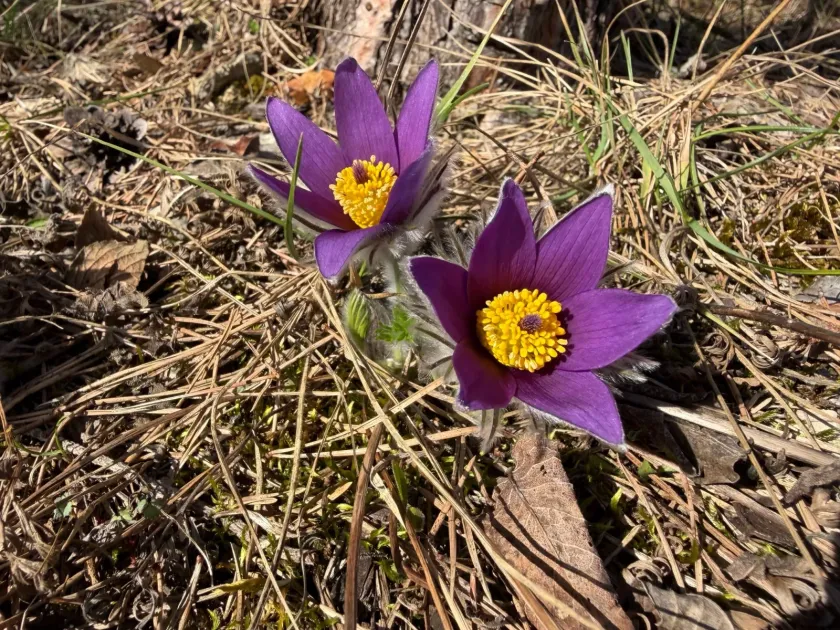
Description
Sowing dates
Sowing pasqueflower (Anemone pulsatilla) seeds is most effective when done in late autumn, allowing the seeds to undergo natural stratification outdoors. This cycle of cold temperatures is essential for breaking seed dormancy and ensuring successful germination in the following spring.
For indoor propagation, seeds can be sown in late winter in a sterile, sandy substrate. Maintaining a cool environment is crucial, as high heat can inhibit germination and cause the delicate seedlings to stretch and weaken.
Seed depth should be kept to a minimum, barely covering the seeds with a thin layer of fine sand or grit. Light is a key factor for the germination of pasqueflower, so avoid deep burying which can lead to poor emergence rates.
Once seedlings develop their first true leaves, they should be carefully pricked out into individual deep pots. Given their long taproot system, disturbance should be kept to an absolute minimum to prevent transplant shock.
Transplanting into the permanent location in the garden is best performed in early spring or early autumn, ensuring the plant has enough time to establish its root system before extreme weather conditions occur.
Growing requirements
Pasqueflower is a member of the Ranunculaceae family, characterized by its hairy, fern-like foliage and bell-shaped flowers. It originates from European and Asian grasslands, thriving in environments that mimic these natural habitats.
The primary soil requirement for this species is excellent drainage. A gritty or rocky soil composition with a neutral to slightly alkaline pH is ideal for promoting longevity and preventing the onset of crown rot.
Anemone pulsatilla is a sun-loving plant that demands full exposure to direct sunlight throughout the day. Insufficient light results in weak, spindly growth and prevents the plant from developing its characteristic dense, silvery pubescence.
Drought tolerance is a notable feature of this species. Once established, the taproot allows the plant to access moisture from deeper soil layers, making it highly resilient to extended periods of dry weather during the summer months.
In terms of climatic adaptability, pasqueflower is very hardy and can withstand freezing temperatures during winter. It does not require winter protection, though ensuring the ground does not stay waterlogged is critical for survival in rainy regions.
Main diseases and pests
Fungal pathogens are the most significant threats to the pasqueflower, particularly during wet, humid seasons. Botrytis or gray mold can affect the foliage and flower buds, spreading rapidly if the air circulation around the plant is restricted.
Root rot, often caused by pathogens like Phytophthora, is a persistent danger when the soil remains too wet for extended periods. This is often exacerbated by soil compaction or heavy, clay-based textures that prevent proper water infiltration.
Aphids can be a problematic pest, especially during the active growth phase in spring. They tend to cluster on the developing flower stems and buds, which can lead to distorted blooming if the infestation is not controlled early.
Slugs and snails may occasionally feed on the young, tender foliage of newly planted pasqueflowers. Protecting young plants with physical barriers or organic baits is recommended during the sensitive early stages of their life cycle.
Maintaining a clean garden environment by removing dead leaves and weeds surrounding the clumps helps to improve airflow and significantly reduces the probability of fungal infections taking hold in the plant crown.