
Anemone x lesseri
Anemone x lesseri H. R. Wehrh.
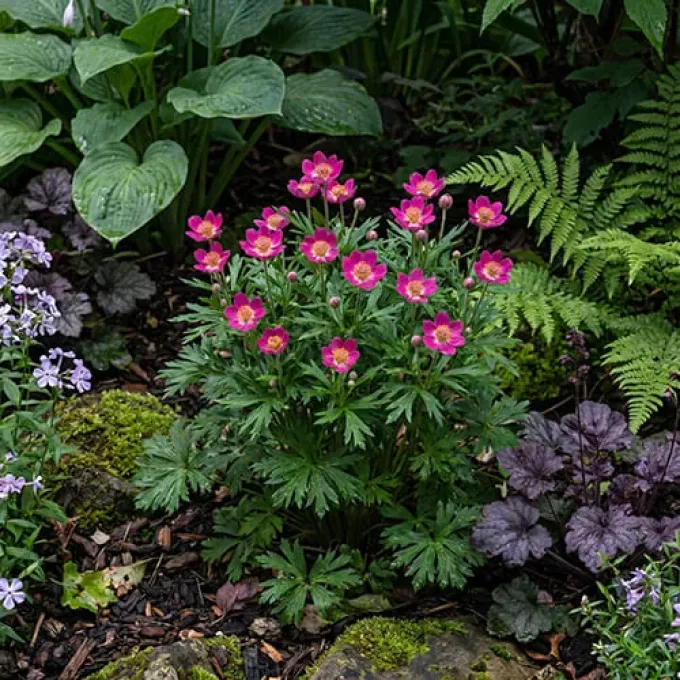
Description
Sowing dates
Anemone x lesseri is a perennial herbaceous plant that is best propagated through division. The ideal time for dividing the clumps and planting rhizomes is early spring, once the soil has warmed to about 5-8 degrees Celsius, or early autumn before the first frosts.
When propagating by seed, sowing should be done immediately after harvest or before winter in open ground. Seeds should be planted in prepared furrows at a depth of no more than 1-2 centimeters, covered with a layer of peat or humus to ensure optimal germination conditions.
Proper spacing is crucial for this species; plants should be set 30 to 40 centimeters apart. This spacing facilitates air circulation, which significantly reduces the risk of fungal infections in dense plantings.
During the first year of growth, the plant focuses on developing its root system and basal rosette. Therefore, it requires diligent moisture monitoring. Mature and full-scale flowering usually occurs in the second or third year after successful establishment.
The planting site should be carefully chosen. This anemone prefers partial shade, as exposure to harsh direct sunlight during the hottest part of the day can damage the delicate foliage and inhibit growth.
Growing requirements
As a member of the Ranunculaceae family, this crop has specific soil requirements. It thrives in loose, fertile, and well-drained substrates with a neutral to slightly alkaline pH level.
In heavy clay soils, it is mandatory to create a drainage layer using gravel or crushed stone at the bottom of the planting hole. Stagnant moisture in the root zone is detrimental and often leads to root rot issues.
Anemone x lesseri responds well to organic fertilization with well-rotted compost. Throughout the growing season, it is recommended to apply balanced mineral fertilizers with an emphasis on potassium and phosphorus to support strong stem development.
The plant requires moderate and consistent watering, particularly during dry spells. Keeping the soil consistently moist but not waterlogged is key, so mulching around the base of the plant helps maintain the necessary hydraulic balance.
In temperate climates, the plant exhibits good winter hardiness. However, during harsh winters with little snow cover, it is advisable to cover the planting area with spruce branches or dry leaves to protect the overwintering buds.
Main diseases and pests
The primary threats to Anemone x lesseri include fungal diseases such as powdery mildew and anthracnose, which are most prevalent in humid conditions with poor air movement.
Root rot represents a major concern resulting from poor irrigation management or improper site selection. Prevention is achieved through strict moisture control and the application of fungicides when early symptoms appear.
Pests such as leaf nematodes and slugs can significantly impact the plant's ornamental value. Slugs are particularly dangerous during rainy weather, as they feed on young shoots and foliage.
Managing these pests involves a combination of cultural practices, including weeding and hoeing, as well as the use of selective insecticides or molluscicides if infestations become severe.
Regular phytosanitary inspections of the plants allow for the early detection of disease outbreaks. Timely removal of affected parts helps to isolate the problem and prevents the spread of pathogens to healthy specimens within the garden.