
Italian quillwort
Isoetes malinverniana
Description
Growing requirements
The Italian quillwort (Isoetes malinverniana) is a unique aquatic lycophyte belonging to the Isoetaceae family. It is an endemic species primarily found in the Po River valley in Italy, where it colonizes irrigation channels and slow-moving water bodies.
This species acts as a specialized hydrophyte, preferring substrates composed of sand and silt. It is not an agricultural crop in the traditional sense, but it is of high ecological interest due to its presence in agricultural water infrastructure.
The growth of Italian quillwort is dependent on clear water conditions. It thrives in environments where nutrient levels are balanced, avoiding the extreme eutrophication typical of heavily fertilized agricultural runoff.
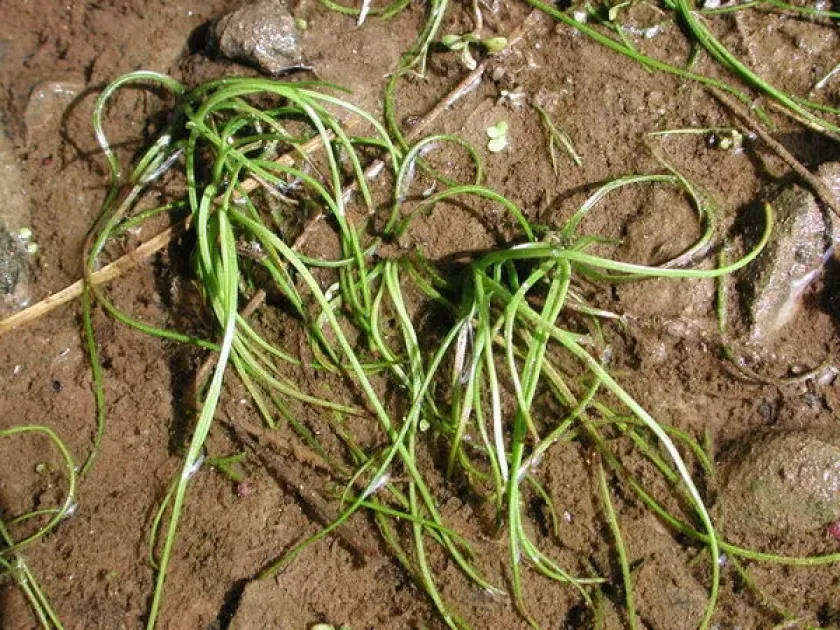
Botanically, it features a short, corm-like stem with dense, quill-like leaves. It reproduces via spores, which require specific conditions for germination, including stable water levels and minimal physical disturbance of the bottom sediment.
Maintaining populations of Isoetes malinverniana requires sustainable management of irrigation networks. This includes minimizing the use of broad-spectrum herbicides and avoiding complete drainage of channels during the growing season.
Main diseases and pests
The primary threat to the Italian quillwort is the modernization of irrigation canal systems. Mechanical dredging and concrete lining of channels directly destroy the plant's habitat and remove the necessary silt layers.
Agrochemical runoff is another major concern. Herbicides and high levels of nitrogen and phosphorus from fertilizers can severely inhibit the development of quillwort colonies or lead to complete local extinction.
The spread of aggressive invasive aquatic macrophytes poses a significant competition challenge. These invasive plants often grow faster than the Italian quillwort, outcompeting it for light and nutrients.
Hydrological variability, including sudden changes in water flow or extended dry periods, disrupts the delicate life cycle of the species and prevents the successful establishment of new individuals.
Environmental degradation, including increased sedimentation from bank erosion or industrial pollution, can change the micro-habitat characteristics, making the water unsuitable for the survival of this sensitive quillwort species.