
Isoetes brochonii
Isoetes brochonii
Description
Growing requirements
Isoetes brochonii, commonly known as Brochon's quillwort, is a rare species belonging to the Isoetaceae family. It is a perennial, spore-bearing plant that occupies a very specific niche in high-altitude mountain ecosystems, making it a subject of strict conservation efforts rather than cultivation.
The native distribution of this plant is restricted to high-mountain pools and lakes within the Pyrenees region. It thrives in oligotrophic environments, characterized by cold, crystal-clear water with minimal mineral content and sandy or rocky substrates.
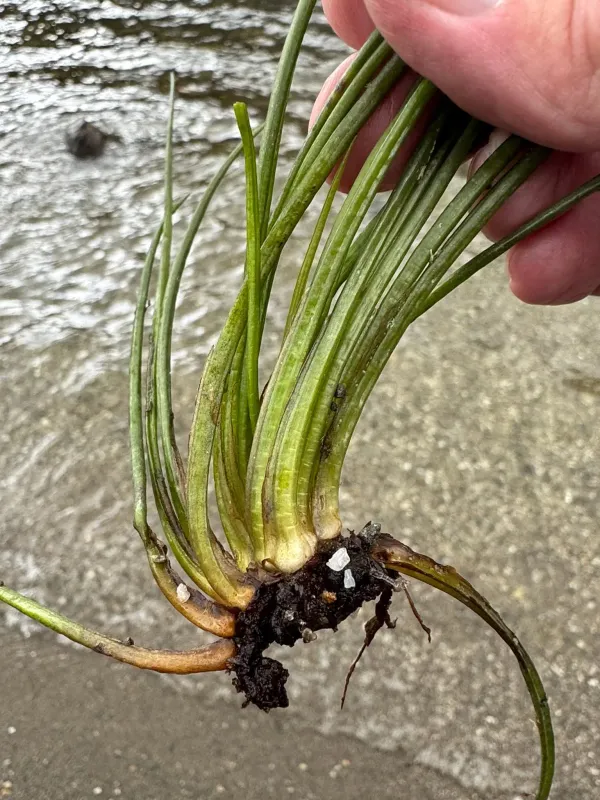
Botanically, it features a cluster of stiff, quill-like leaves emerging from a compact, fleshy underground stem. These leaves are typically submerged for the duration of their life cycle, adapted to absorb nutrients directly from the low-nutrient water column.
Growth conditions are highly specific, requiring stable hydrological levels and excellent water quality. Due to its extreme sensitivity to environmental changes, it is impossible to grow this plant as a traditional agricultural crop or for commercial use.
While it lacks agricultural or economic applications, it serves as a critical indicator species for the health of high-mountain aquatic ecosystems, helping scientists monitor the impact of environmental changes on fragile alpine habitats.
Main diseases and pests
The primary threat to Isoetes brochonii is water eutrophication. The introduction of excess nutrients through runoff promotes the overgrowth of algae and competing aquatic vegetation, which suffocates the slow-growing quillwort population.
Climate change poses a significant risk as it affects the stability of high-altitude water bodies. Fluctuations in water levels due to drought or altered snowmelt patterns can dry out the habitats, proving fatal for this strictly aquatic species.
Human interference, particularly recreational pressure in protected mountain areas, results in physical disturbance of the bottom sediment. This damage can easily destroy delicate plant colonies that have taken decades to establish.
Invasive species and shifts in the chemical balance of water due to atmospheric deposition are also listed among the critical threats. These external pressures create an environment where the native Isoetes species struggle to regenerate and spread.
Effective conservation strategy requires long-term monitoring and protection of its natural habitat. Efforts to mitigate human impact around high-mountain lakes are essential to ensure the survival of this unique botanical representative.