
Bory's quillwort
Isoetes boryana
Description
Growing requirements
Bory's quillwort (Isoetes boryana) is a rare species of perennial aquatic plant belonging to the Isoetaceae family. It is a strictly hydrophyte species, adapted to life in oligotrophic lakes where water transparency and oxygenation levels remain high throughout the year.
The origin and distribution of this plant are strictly tied to specific European mountain and upland lake ecosystems. The plant thrives in sandy or rocky substrates where it remains submerged for the duration of its life cycle, avoiding competition with larger vascular plants in nutrient-poor environments.
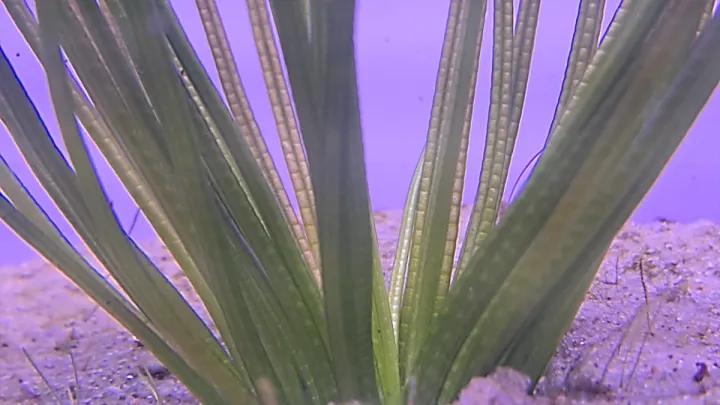
Botanically, it features a bulbous stem base that produces a rosette of stiff, quill-like leaves. The reproductive structures, known as sporangia, are tucked into the leaf bases. The species reproduces via spores that germinate in the benthic layer of the water bodies where it resides.
The agricultural potential for this species is non-existent, as it requires highly specific environmental conditions that cannot be replicated in traditional farming. It demands cold, clean, and nutrient-poor water, making it a sensitive bioindicator for the conservation of pristine aquatic environments.
Its utilization is currently focused on ecological restoration projects and scientific research regarding plant evolution. In some cases, rare collections are maintained in protected botanical settings to ensure the survival of the species against environmental degradation caused by human activity.
Main diseases and pests
The primary threats to Isoetes boryana include the nitrogen and phosphorus runoff from nearby agricultural activities, which leads to eutrophication and invasive algal blooms. Additionally, the alteration of water levels and physical destruction of the benthic substrate significantly jeopardize remaining wild populations.