
Japanese quillwort
Isoetes japonica
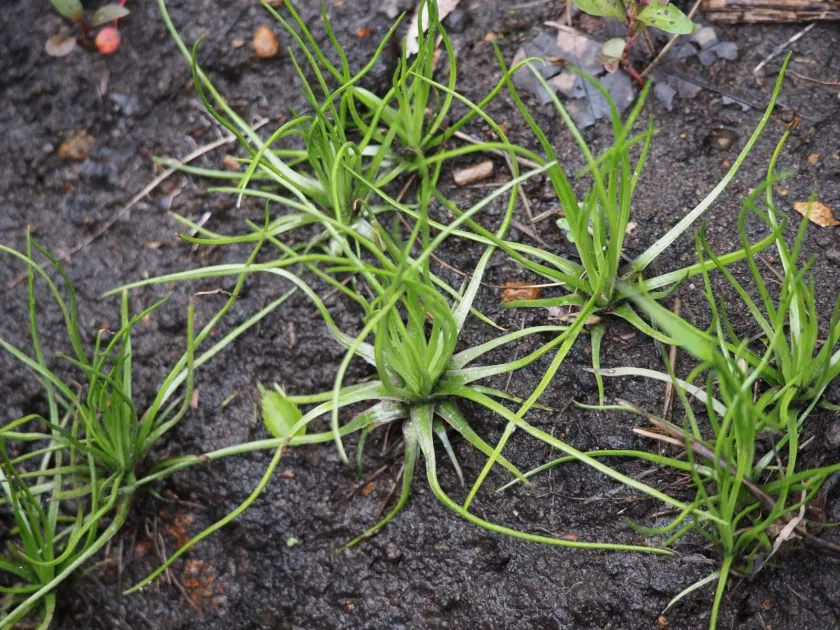
Description
Growing requirements
The Japanese quillwort (Isoetes japonica) is a perennial lycophyte belonging to the family Isoetaceae. This aquatic plant naturally inhabits shallow freshwater environments, including stream beds and marshy areas, where the water is clear and well-oxygenated.
Originating from East Asia, this species has adapted to specific temperate climates. It is recognized for its unique morphology: a basal rosette of quill-like leaves emerging from a corm-like stem that anchors the plant firmly into the substrate.
When cultivating this plant, one must ensure a substrate composed of fine gravel or coarse sand. It requires a stable temperature range of approximately 15 to 22 degrees Celsius to maintain active growth and prevent physiological stress.
Light intensity is a critical factor for the Japanese quillwort. It requires moderate to high levels of indirect light to support its photosynthesis; however, direct exposure to harsh sunlight should be avoided to prevent excessive algal blooms that could shade the plant.
Water quality must be maintained with low organic content and neutral pH levels. Due to its sensitivity, this plant is primarily used as a specialized specimen in botanical collections or highly curated aquatic habitats, requiring consistent care and environmental monitoring.
Main diseases and pests
The most significant threat to the Japanese quillwort is the invasion of filamentous algae. These organisms thrive in nutrient-rich water and can rapidly encapsulate the plant, depriving it of essential sunlight and gas exchange, leading to inevitable decay.
Gastropods, specifically aquatic snails, pose a localized threat by grazing on the succulent leaves. These feeding activities often damage the cellular structure, making the plant susceptible to secondary fungal pathogens that target the corm.
Water chemistry imbalances, particularly sudden spikes in nitrogen compounds or heavy metal accumulation, significantly impair the plant's health. Isoetes japonica is highly sensitive to pollutants, which quickly manifest as leaf yellowing and necrosis.
Inadequate water circulation and high plant density can create stagnant zones that foster anaerobic bacteria. This environmental condition leads to the rotting of the root system, which is typically fatal for the specimen if not addressed immediately.
Regular maintenance, including selective cleaning of the substrate and precise water parameter checks, is required to minimize these threats. Ensuring a healthy, oxygen-rich environment is the primary defense strategy against diseases and pests.