
Hymenophyllum serrulatum
Hymenophyllum serrulatum
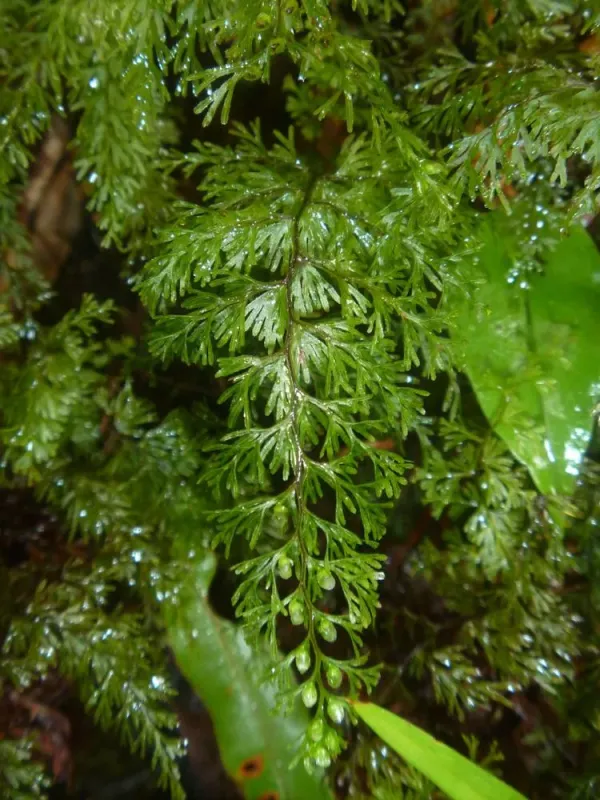
Description
Growing requirements
Hymenophyllum serrulatum is a delicate epiphytic fern belonging to the Hymenophyllaceae family. Known commonly as a filmy fern, it is characterized by extremely thin, translucent leaves that are typically only one cell thick, making it a highly specialized plant that requires specific environmental conditions.
Native to humid tropical forests, this fern naturally grows on moss-covered tree trunks or damp rocky substrates. In cultivation, it thrives best in a terrarium or high-humidity greenhouse environment where the relative humidity levels are maintained consistently between 80% and 100%.
The optimal temperature range for this species is 18–24 degrees Celsius. It is highly sensitive to temperature fluctuations and dry air, which can cause its fragile fronds to wither rapidly. It requires bright, indirect light and must be protected from direct sun exposure at all times.
The cultivation medium must be light, airy, and moisture-retentive. A mix of long-fiber sphagnum moss, orchid bark, and a small amount of charcoal is highly effective. This allows for excellent drainage and prevents the roots from sitting in stagnant water.
Irrigation should be performed with distilled or rainwater to avoid mineral buildup. A fine misting system is preferred over traditional watering, as it ensures that both the foliage and the root zone remain evenly moist without waterlogging the substrate.
Main diseases and pests
The primary threat to Hymenophyllum serrulatum is a drop in ambient humidity. Even a minor decrease in moisture levels for an extended period leads to immediate desiccation of the delicate fronds, which lack a protective waxy cuticle.
Fungal pathogens and root rot are significant risks, especially in poorly ventilated environments. If the substrate remains too wet and airflow is stagnant, the root system will decay, leading to the rapid decline of the entire plant.
Pests such as spider mites can thrive in environments that are not sufficiently humid, causing significant damage to the thin leaf tissues. Managing these pests is challenging because the fern's foliage is too fragile for most conventional pesticide treatments.
Salt accumulation from tap water is another common issue. The fern's roots are highly efficient at absorbing nutrients but cannot tolerate high salinity, which quickly leads to leaf edge burn and overall plant stress.
Regular maintenance, including the removal of any decaying fronds, is essential to keep the plant healthy and prevent the spread of opportunistic infections within the microclimate of its growing vessel.