
Hymenophyllum exsertum
Hymenophyllum exsertum
Description
Growing requirements
Hymenophyllum exsertum is a delicate species of filmy fern belonging to the Hymenophyllaceae family. These plants are highly specialized epiphytes, distinguished by their unique morphology that allows them to thrive in extremely humid, mist-heavy environments.
Originating from the tropical and subtropical forests of Asia, this species typically grows on mossy tree trunks, rock faces, and other substrates that provide consistent moisture. Its natural habitat is characterized by deep shade and constant air saturation.
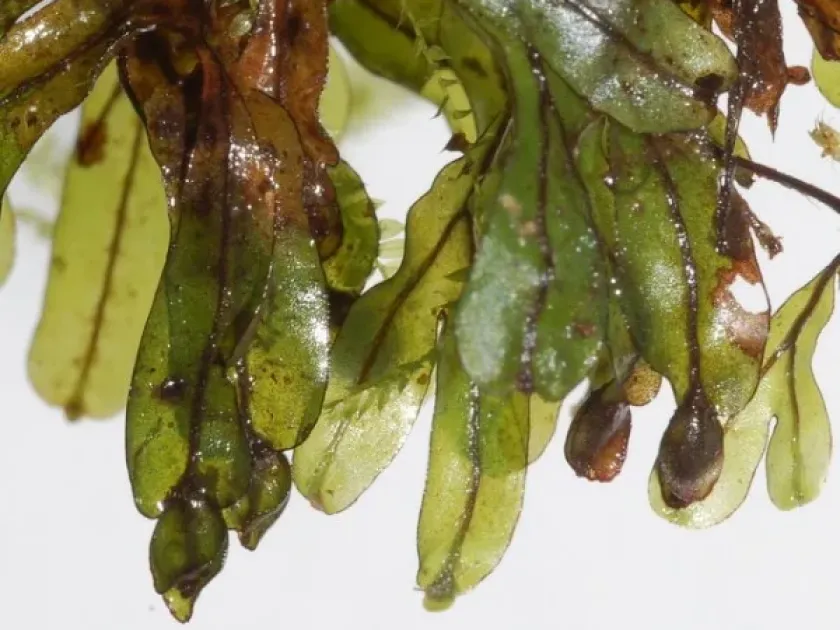
The botanical structure of this fern is remarkable due to its translucent fronds, which are often only a single cell layer thick. This extreme thinness makes the plant highly sensitive to the surrounding microclimate, necessitating stable environmental conditions.
Cultivation requirements involve maintaining a constant ambient temperature between 18 and 22 degrees Celsius and high relative humidity levels, ideally above 80 percent. Because of their delicate nature, these plants are best suited for closed terrariums or paludariums.
In terms of horticulture, Hymenophyllum exsertum is highly valued by enthusiasts and collectors of rare ferns. Its aesthetic appeal lies in its intricate foliage and graceful growth habit, making it a centerpiece for specialized indoor tropical collections.
Main diseases and pests
The primary threat to Hymenophyllum exsertum is low humidity. Even minor fluctuations in air moisture can cause the fronds to dry out rapidly, leading to irreparable damage to the cellular structure of the leaves, which lack a protective waxy cuticle.
Poor ventilation within a closed container can easily lead to fungal infections. When moisture levels are high and air movement is stagnant, mold and bacterial rot can quickly compromise the health of the rhizome and delicate stem tissues.
Water quality is a significant factor in the success of this culture. It is essential to use only distilled, deionized, or high-quality rainwater, as tap water typically contains dissolved minerals that accumulate and burn the sensitive leaf tissues.
Pests such as scale insects or mealybugs can occasionally become an issue, especially in collections with diverse plant species. Because the foliage is so fragile, manual removal is often safer than the application of chemical pesticides or oils.
Consistent monitoring and maintaining a sterile growing environment are the best defenses against pathogens. Proper substrate hygiene, such as using sterilized sphagnum moss, is critical to preventing root issues and ensuring the long-term survival of the fern.