
Rusty filmy fern
Hymenophyllum ferrugineum
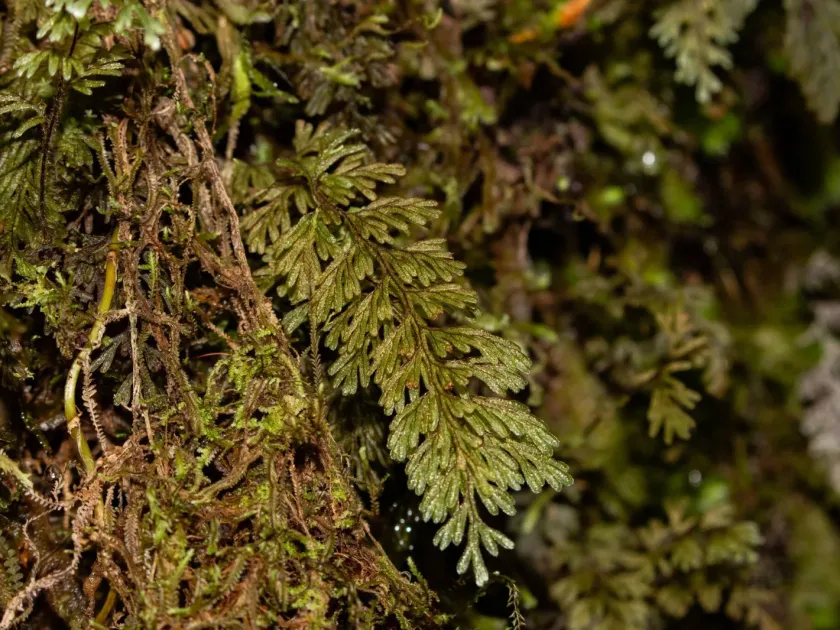
Description
Growing requirements
Hymenophyllum ferrugineum, commonly known as the rusty filmy fern, is an intriguing species within the Hymenophyllaceae family. Naturally occurring in the humid, temperate forests of South America, this fern is highly adapted to epiphytic life on damp bark or rock substrates.
The botanical structure of this species is characterized by extremely thin, translucent fronds, usually only one cell thick. These fronds are covered with distinctive reddish-brown hairs, which provide protection against dehydration and help the plant maintain its internal water balance in its native misty environment.
Successful cultivation requires a highly controlled microclimate, specifically a humidity level constantly maintained above 80%. Exposure to low humidity or direct sunlight can cause irreparable tissue damage to the fronds within a matter of hours, leading to desiccation and necrosis.
In terms of agricultural techniques, this plant requires specialized growing media such as live sphagnum moss or high-quality tree fern fiber. The medium must be kept consistently moist but never waterlogged to allow adequate oxygenation of the delicate, hair-like root system.
The economic value of this fern lies in its status as a premium collector's item for terrariums and botanical display gardens. While not a commercial field crop, its propagation and maintenance are of great interest to botanists and enthusiasts focusing on rare temperate plant species.
Main diseases and pests
Fungal pathogens represent the primary biological threat to the rusty filmy fern. These are typically triggered by poor air circulation or stagnant water within the growing medium, which leads to root rot and rapid senescence of the fronds.
Spider mites are the most common pest, especially if the terrarium or growing environment experiences temperature spikes and low humidity. Their feeding habits cause localized chlorosis and can eventually compromise the structural integrity of the entire plant.
Managing the health of Hymenophyllum ferrugineum requires avoiding mineral-rich water. Even slight accumulations of salts from fertilizers or tap water can cause significant toxicity to the foliage, which lacks the protective waxy layer found in traditional ferns.
Control strategies should prioritize cultural adjustments over chemical treatments. If an infestation occurs, manual removal or organic-certified, highly diluted horticultural oils are preferred to prevent tissue damage caused by traditional synthetic insecticides.
Constant monitoring is essential for early detection of stress factors. Ensuring that the plant is kept in a stable, cool, and well-ventilated environment remains the most effective strategy for preventing both pest outbreaks and the onset of fungal diseases.