
Hymenophyllum dilatatum
Hymenophyllum dilatatum
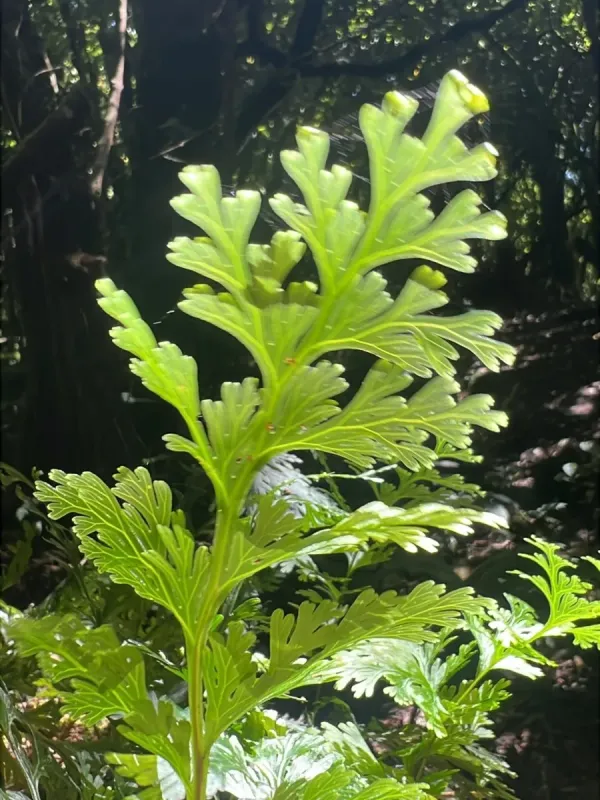
Description
Growing requirements
Hymenophyllum dilatatum, commonly known as a type of filmy fern, belongs to the family Hymenophyllaceae. It is native to the temperate rainforests of New Zealand and parts of the Pacific, where it thrives in shaded, high-humidity environments.
The botanical structure of this fern is highly unique; its fronds are typically only one cell layer thick. This extreme delicacy requires the plant to be situated in an environment with near-saturation humidity levels to prevent rapid dehydration.
In terms of cultivation, this species is classified as a niche ornamental plant. It prefers to grow on moist, decaying wood or mossy rocks, acting as an epiphyte. Maintaining such conditions requires specialized greenhouse setups or sealed terrariums.
Soil requirements are minimal in the traditional sense, as the plant relies on air moisture and surface substrates. A well-draining, organic-rich medium such as sphagnum moss or shredded bark is essential for successful growth in artificial settings.
Light levels must be kept low, as direct sunlight causes irreversible tissue damage. Optimal lighting involves diffuse, soft light, simulating the forest canopy's filtered illumination. Temperature should remain cool to moderate throughout the growing season.
Main diseases and pests
The primary threat to Hymenophyllum dilatatum is atmospheric dryness. Exposure to low humidity levels causes the fronds to curl and desiccate within minutes, which can prove fatal if the plant is not rehydrated immediately.
Pathogenic threats include various fungal rots triggered by poor air circulation. When water stagnates around the rhizome, the fern becomes highly susceptible to decay, necessitating a balance between moisture and drainage.
Insects like spider mites or mealybugs pose a significant risk, particularly in enclosed indoor environments. These pests feed on the fragile leaf tissue, which is not equipped with the waxy cuticle found in more robust plant species.
Environmental toxicity, specifically from hard water, is a major concern. High concentrations of salts or chemical additives in irrigation water can clog the plant's delicate vascular system, leading to systemic decline.
Prevention involves diligent monitoring of the environment, use of purified water, and maintaining hygienic conditions within the growing area. Regular inspection of the undersides of the fronds is recommended to catch potential pest infestations early.