
Hymenophyllum polyanthos
Hymenophyllum polyanthos
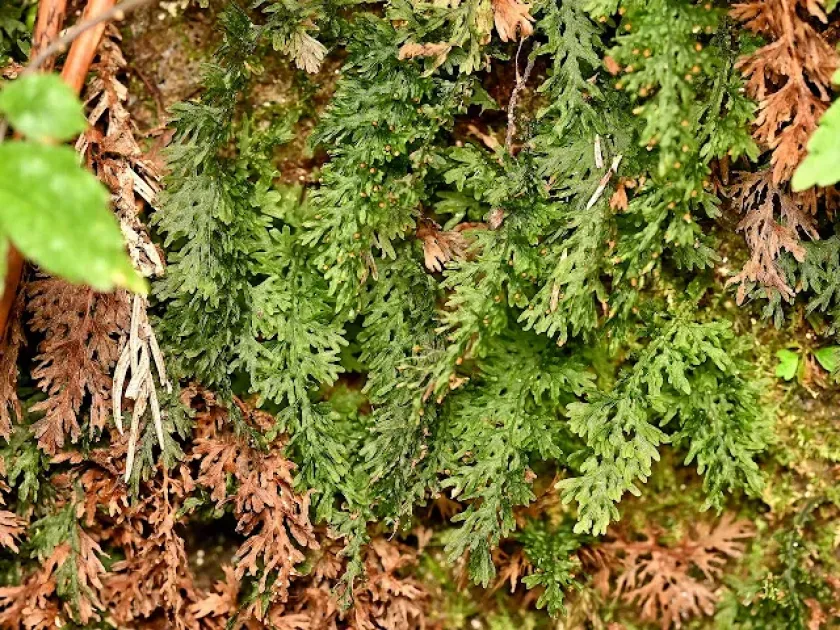
Description
Growing requirements
Hymenophyllum polyanthos is a representative of the Hymenophyllaceae family, often referred to as a filmy fern due to its translucent, single-cell-thick leaves. This epiphyte is native to tropical regions globally, where it thrives in high-humidity, shaded environments.
Botanically, this species is highly specialized for moisture absorption directly from the air. Its vascular system is minimal, which makes the plant extremely dependent on steady, high atmospheric moisture levels to maintain turgor pressure in its fragile fronds.
For successful cultivation, a stable microclimate is required, usually provided by enclosed environments such as terrariums or Wardian cases. The temperature should be kept consistent between 18 and 24 degrees Celsius, avoiding any extremes that could stress the delicate tissue.
The potting substrate must be loose and moisture-retentive, typically composed of sphagnum moss and pulverized tree bark. Proper aeration is crucial for the rhizomes, as they are susceptible to suffocation if the substrate becomes overly compacted or saturated.
Economically, Hymenophyllum polyanthos is prized by hobbyists and specialized botanical gardens. It serves as a display plant in ornamental setups where its unique, lace-like appearance can be showcased without the risk of desiccation that comes with open-air cultivation.
Main diseases and pests
The primary threat to the health of Hymenophyllum polyanthos is desiccation caused by low humidity. When air moisture drops, the fronds lose their water content rapidly, leading to irreversible wilting and tissue necrosis within a few hours.
Spider mites are the most common pest, especially if the air humidity deviates from the optimal range. Because the leaves are only one cell layer thick, traditional chemical pesticides often cause more damage to the plant than the pests themselves.
Root rot and fungal infections occur when the growing medium becomes waterlogged and lacks oxygen. This is often exacerbated by poor air circulation within the terrarium, which encourages the growth of mold on the plant's delicate surfaces.
Thermal stress from direct sunlight or proximity to heating elements will quickly cook the plant tissue. Shaded conditions are mandatory, as the fern lacks the structural adaptations required to handle high-intensity solar radiation.
Maintenance and prevention involve using distilled or reverse osmosis water to prevent mineral buildup on the leaves. Regular inspection for early signs of decay and maintaining a clean environment are the best ways to ensure the long-term survival of this species.