
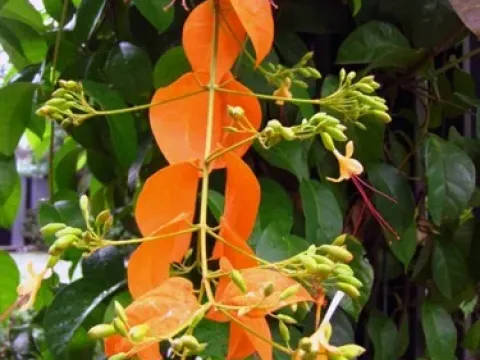
Hosea
Hosea
Hosea is a distinct genus of flowering plants within the Gesneriaceae family. While not a commercial staple crop, it is studied in specialized agricultural and botanical contexts for its unique adaptation to tropical forest environments.
What the section contains

Hosea
The native distribution of this genus is primarily centered in Southeast Asia, particularly within the humid forest regions of Borneo. Its natural habitat is characterized by a stable, high-humidity microclimate under the forest canopy.
To successfully cultivate Hosea, one must provide a growing medium that is rich in organic matter and highly porous. Excellent drainage is essential, as the roots are sensitive to waterlogging and require high oxygen availability in the soil.
Climatic requirements are strict: the plant thrives at temperatures ranging from 22°C to 26°C. It is highly intolerant of thermal stress, sudden cold drafts, or direct intense sunlight, which can quickly cause leaf scorch and dehydration.
Agronomic management involves maintaining a consistent microclimate. Growers typically utilize glasshouses with automated misting systems to keep humidity above 70% and utilize shading to mimic the filtered light conditions of the tropical rainforest floor.
The primary threats to Hosea include various fungal pathogens such as Pythium and Phytophthora, which flourish in overly wet and poorly aerated soils. Root rot is the most common cause of failure in poorly managed cultivation programs.
Pests such as spider mites and mealybugs present a significant risk, particularly in indoor environments where natural predators are absent. These insects feed on the plant's sap, weakening the foliage and potentially vectoring secondary infections.
Effective pest management requires a combination of biological controls and targeted acaricides. Regular visual inspections are necessary to detect early symptoms, such as stippling on leaves or the presence of fine webbing.
Preventative measures include the use of sterilized potting media and the strict maintenance of environmental hygiene. Ensuring proper air circulation is vital to prevent the accumulation of moisture on the foliage, which could otherwise invite fungal attacks.
If infection occurs, prompt isolation of affected plants is necessary to prevent the spread of pathogens. Consistent monitoring of plant vigor and immediate intervention with appropriate fungicides can often salvage the crop before severe damage occurs.