
Homoranthus virgatus
Homoranthus virgatus
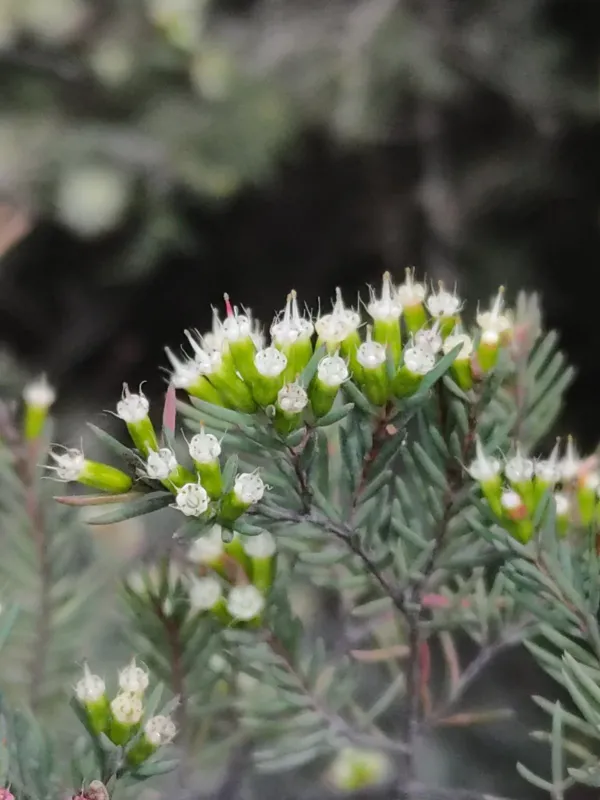
Description
Sowing dates
Homoranthus virgatus is a perennial evergreen shrub belonging to the Myrtaceae family, native to the diverse landscapes of Australia. In horticultural practices, propagation is achieved through seed sowing or semi-hardwood cuttings.
Seeds are sown in spring, typically requiring specialized treatment to overcome dormancy. The growing medium must be very light and porous to ensure adequate oxygen access to the developing embryo.
Cuttings are usually taken during the growth phase. Using rooting hormones is common practice to increase the success rate of propagation, as this species requires specific conditions to develop a healthy root system.
Post-propagation care involves maintaining a stable environment with high humidity for cuttings, followed by a gradual hardening-off process to prepare them for environmental exposure.
Transplanting into final locations should be done with care to avoid root disturbance, as the plant is sensitive to changes in its immediate growing environment.
Growing requirements
This species thrives in well-drained, sandy soils that mimic its natural habitat. It is highly adapted to soils with low nutrient content, making it an undemanding plant in terms of fertilization.
Full sun is essential for the healthy development of Homoranthus virgatus. Insufficient light levels will lead to leggy, sparse growth and a significant reduction in flower production.
The plant is highly drought-tolerant once established. However, during the initial phases of growth, regular and controlled watering is necessary to prevent the root ball from drying out completely.
It prefers mild climatic conditions. Being an Australian native, it does not handle frost well, necessitating protection or indoor cultivation in colder geographical zones.
Good air circulation is vital for the plant. Stagnant air around the foliage increases the risk of fungal infections, especially when the plant is kept in containers.
Main diseases and pests
Root rot caused by Phytophthora species is the most significant threat to Homoranthus virgatus, primarily triggered by excessive moisture and poor soil drainage.
Fungal leaf spots can occur when the foliage remains wet for extended periods. Avoiding overhead watering is a key preventative measure to keep leaves dry and healthy.
Pest issues often include sap-sucking insects such as mealybugs and scale insects. These pests can weaken the plant by extracting essential nutrients from the stems.
- Monitor for aphid clusters on new growth.
- Check the undersides of leaves for webbing indicating spider mites.
- Use neem oil or horticultural soaps for integrated pest management.
Regular maintenance, including the removal of dead or diseased branches, helps to improve airflow and prevents the accumulation of pathogens within the plant canopy.