
Homoranthus montanus
Homoranthus montanus
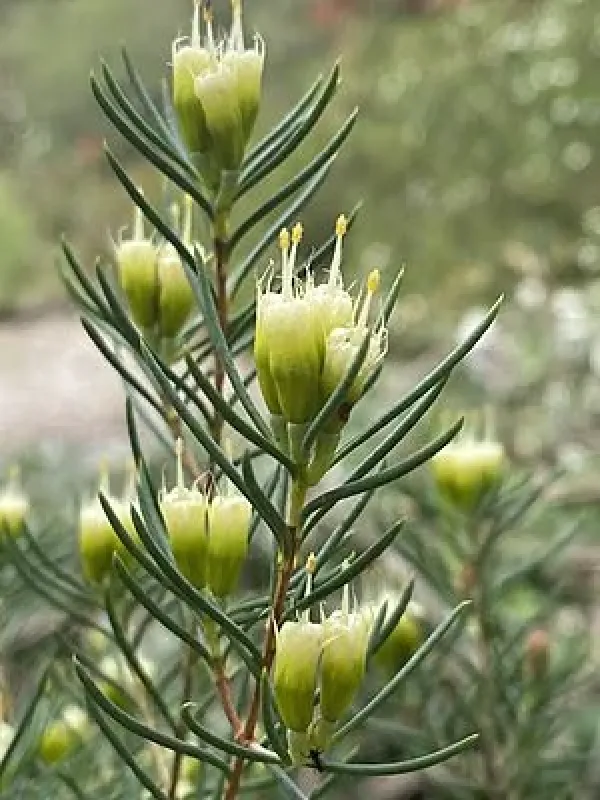
Description
Growing requirements
Homoranthus montanus is a hardy, evergreen shrub that belongs to the Myrtaceae family. Native to the rugged mountain landscapes of Australia, this species has evolved to thrive in nutrient-poor, rocky substrates, making it a fascinating candidate for specialized landscape gardening and xeriscaping.
Botanically, the plant is distinguished by its fine, aromatic foliage and delicate, intricately structured flowers. These features not only provide significant aesthetic value but also contribute to the local ecosystem by attracting native pollinators, such as solitary bees and small insects that feed on nectar.
Successful cultivation of this species requires a deep understanding of its environmental preferences. The primary requirement is exceptional soil drainage; the plant is highly susceptible to root rot if water lingers around the root zone, therefore gravelly or sandy, well-aerated soils are essential for long-term survival.
Regarding climate, the plant prefers sunny, open positions that mimic its native montane environment. It exhibits high tolerance to dry conditions once established, but it is sensitive to severe frost. In colder regions, gardeners often cultivate it in containers to allow for relocation to sheltered areas during winter months.
Economically and horticulturally, Homoranthus montanus is utilized primarily in ornamental gardening. Its compact, sculptural form and unique texture make it an excellent choice for rock gardens and borders. The plant is increasingly valued for its low-maintenance requirements in water-wise landscaping projects.
Main diseases and pests
The most significant threat to the health of Homoranthus montanus is root rot caused by Phytophthora pathogens. This condition is almost exclusively triggered by improper drainage or excessive irrigation, emphasizing the necessity of selecting the correct site for planting.
Common horticultural pests, including spider mites and scale insects, may occasionally infest the plant, particularly in sheltered or poorly ventilated environments. Maintaining proper air circulation and keeping the plant in a sunny, open location is the most effective way to prevent these infestations and ensure plant vigor.