
Homoranthus flavescens
Homoranthus flavescens
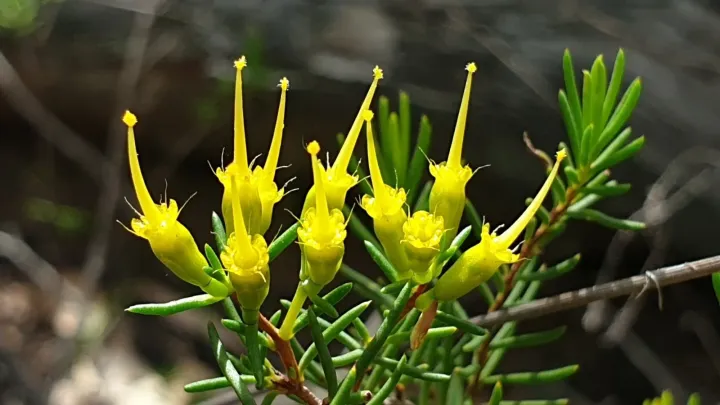
Description
Growing requirements
Homoranthus flavescens is a perennial shrub species belonging to the Myrtaceae family. Native to Australia, this plant has evolved to thrive in specialized environments characterized by well-draining sandy substrates and warm climates.
Botanically, the species is recognized for its fine, needle-like foliage and clusters of distinct yellowish flowers. These features contribute to its aesthetic value, making it a subject of interest for native plant enthusiasts and gardeners.
The cultivation requirements are strict, particularly regarding soil aeration and drainage. Like many species within its natural range, it requires a medium that does not retain excess water, which could lead to root hypoxia.
Sunlight exposure is a critical factor for the vigor of this plant. It requires full sun to maintain its dense, compact growth form. Insufficient light typically results in a leggy and weak structure that may not flower effectively.
In terms of fertilization, the plant is sensitive to high phosphorus levels, as it is adapted to the nutrient-poor soils of its native habitat. Horticultural practices must involve low-phosphorus fertilizers to prevent plant stress.
Main diseases and pests
The most significant threats to Homoranthus flavescens involve fungal infections, particularly root rot caused by pathogens such as Phytophthora, which proliferate in waterlogged conditions.
Insect pests, including mites and various scale insects, can impact the vitality of the plant. These pests often appear in conditions with poor air circulation or stressed plants, necessitating careful monitoring.
Maintaining high hygiene standards is essential for the health of these shrubs. This includes removing dead or diseased branches to promote healthy air circulation and reduce the risk of secondary infections.
Gardeners should perform regular inspections for chlorosis or spotting on the foliage, which can serve as an early indicator of nutrient imbalance or the presence of environmental pathogens.
When chemical control is necessary, products must be selected carefully to avoid toxicity to this specific species, which may show intolerance to certain standard pesticides used in commercial nursery settings.